Ever wonder why some Brookline condo owners get hit with surprise fees while others never hear a peep? If you are buying in Brookline, Boston, or nearby Norfolk County, understanding reserves and special assessments can save you stress and money. You want a home you love and a budget you can count on. In this guide, you will learn what reserves and assessments are, how to read association financials, what red flags to watch for, and how to protect yourself during the offer and contingency periods. Let’s dive in.
Condo reserves vs. assessments
Clear definitions
- Reserve fund: Savings the association sets aside for major, non‑routine work on common elements. Examples include roofs, boilers, elevators, façade repairs, and parking decks.
- Special assessment: An extra, usually one‑time charge to owners when the association does not have enough operating cash or reserves to cover a needed expense.
- Operating budget/dues: Recurring fees for day‑to‑day costs like utilities, cleaning, management, insurance premiums, and minor repairs.
How they interact
Well‑funded reserves reduce the need for special assessments. Associations plan ahead with reserve studies that estimate when key components will need replacement, what it will cost, and how much to save each year. If the reserve balance and planned contributions will not cover a project, the board may raise regular assessments or levy a special assessment.
Funding models and percent funded
Reserve studies often use a component‑based approach listing each common element, its remaining useful life, and replacement cost. A common metric is percent funded, which compares current reserves to the fully funded reserve target. Higher is better. If percent funded is very low, often under roughly 20 to 30 percent, you face a higher risk of larger or more frequent assessments unless there is a credible plan to catch up.
Massachusetts rules and lender views
State framework you should know
Massachusetts condominiums are governed by the Massachusetts Condominium Act and each association’s declaration, bylaws, and rules. The association documents set key items such as board powers, voting thresholds, reserve handling, and special assessment procedures. The practical takeaway: do not assume every building follows the same rules. Always review the specific documents for the condo you are buying.
Resale package and status details
Ask for a resale package or estoppel certificate early in your contingency period. This document should confirm current monthly assessments, the reserve balance, whether the seller is in arrears, and whether there are any pending special assessments or planned capital projects. Use it to verify what you will pay now and what may be coming soon.
Lender and federal program checks
Mortgage underwriters review the health of the condo project, not just your finances. Lenders and programs such as FHA, Fannie Mae, and VA consider reserve sufficiency, owner‑occupancy levels, litigation exposure, and the history of assessments. Projects with clear records and healthy reserves often mean smoother financing. If you plan to use FHA or VA, confirm project eligibility early.
How building type changes long‑term costs
Building age in Brookline and Boston
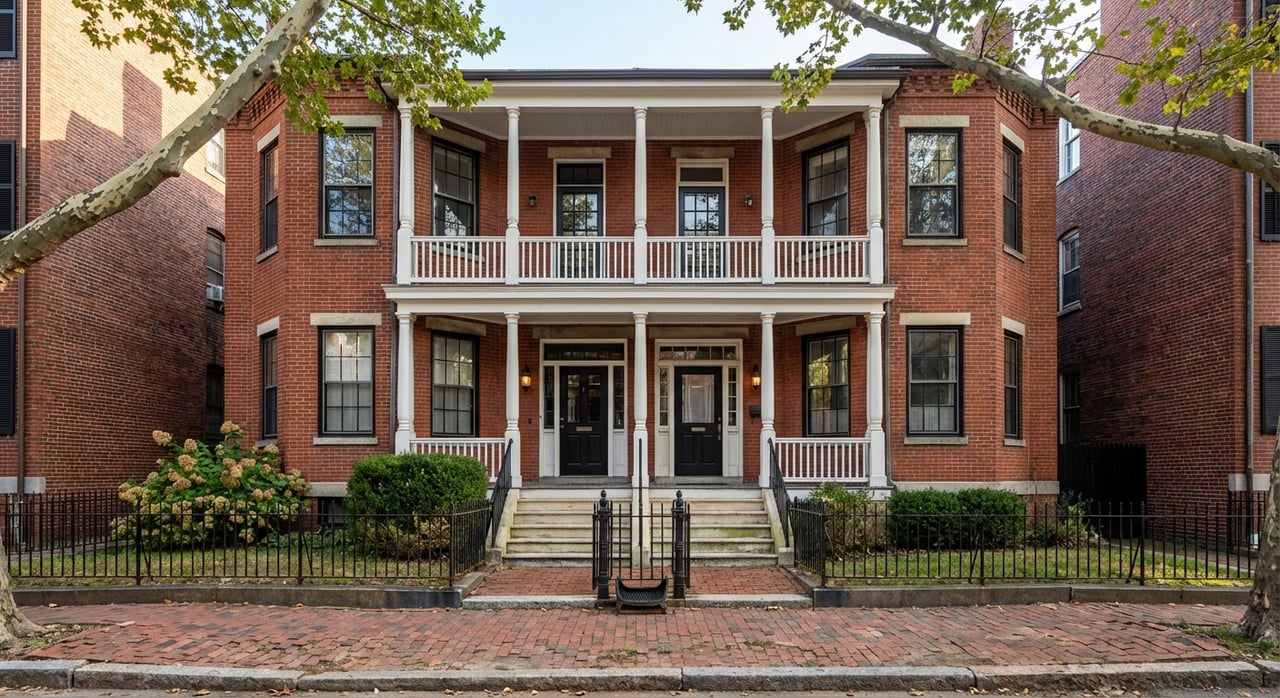
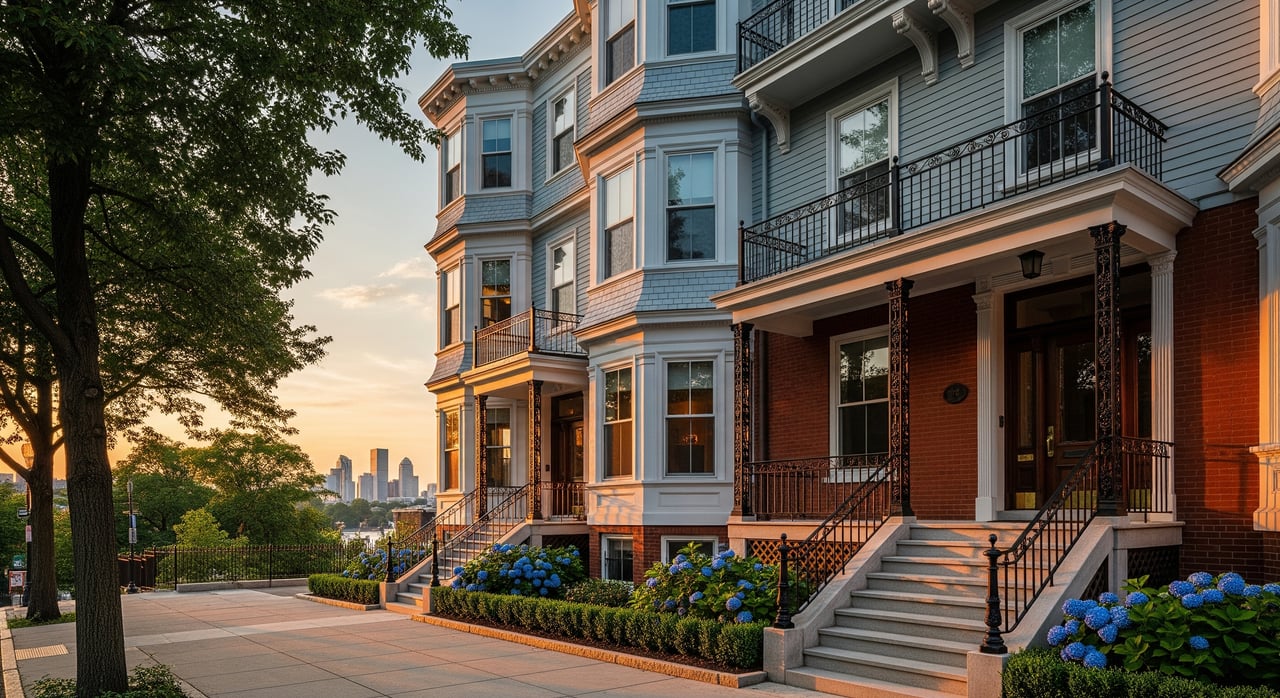
Many Brookline and Boston condos come from conversions of older buildings such as pre‑war masonry structures and historic brownstones. Older buildings can have deferred maintenance or out‑of‑cycle replacements, including masonry repointing, roof and gutter systems, chimney repairs, or plumbing stack work. Converted properties may also have unique materials or features that require specialized, and sometimes more expensive, repairs.
Amenities, size, and risk
Amenities raise both operating and capital costs. Pools, gyms, concierge services, elevators, and underground parking increase regular dues and create larger future replacement obligations. Shared mechanical systems, like central HVAC or hot water, concentrate risk. A single failure can require a large capital project affecting every owner. Smaller associations can be more sensitive to big expenses because costs are spread across fewer units, while larger associations can smooth costs over more owners.
Parking and shared systems
Parking structures and garages are common in urban and suburban developments. They often require periodic waterproofing or structural work. Central systems for heat or hot water may need replacement on a 10 to 30‑year cycle depending on the equipment and maintenance. Knowing the age and condition of these systems helps you plan for future costs.
Read the association financials
Documents to request
At a minimum, ask for:
- Current year operating budget and most recent fiscal year actuals
- Most recent board‑approved reserve study and its date
- Current reserve fund balance and recent bank statements or trial balance
- Reserve funding policy and any board minutes on reserves or special projects
- Resale or estoppel certificate confirming assessments, arrears, and pending projects
- Meeting minutes for the last 12 to 24 months
- Insurance declarations or master policy, including limits and deductibles
- List of current contracts such as management, landscaping, snow, and elevator service
- Any recent engineering reports, contractor proposals, or invoices for major work
- Litigation status reports if the association is in active lawsuits
What to look for in the numbers
- Reserves vs. needs: Compare the reserve balance to the reserve study’s recommended requirement. If there is no reserve study, ask why and look for a plan.
- Percent funded: Lower levels, often under 20 to 30 percent, signal higher risk of assessments unless there is a clear path to improvement.
- Arrears and collections: A high share of delinquent owners, often above about 5 to 10 percent in many practitioners’ views, can signal cash‑flow stress.
- Assessment history: Repeated special assessments or frequent increases above local norms suggest under‑funding or recurring capital issues.
- Transfers: If the board borrows from reserves to cover operations, that is a warning sign.
- Insurance structure: High deductibles or coverage gaps can lead to special assessments after a claim. Understand whether the policy is all‑in or bare walls‑in.
Red flags
- No recent reserve study or policy
- Very low reserves given building age and planned projects
- Frequent special assessments in recent years
- Significant unresolved litigation affecting the building
- Developer control without a clear turnover and reserve plan in newer conversions
- Repeatedly deferred maintenance in meeting minutes
- Missing or inadequate insurance documentation
Buyer steps and negotiation strategy
Before you write an offer
- Make the resale or estoppel certificate a contingency item.
- Ask the seller for the last 12 to 24 months of financials, the latest reserve study, meeting minutes, and insurance declarations.
- Confirm whether the condo project aligns with your intended mortgage, including any FHA or VA requirements if relevant.
During the inspection and contingencies
- Have your attorney or a condominium specialist review the declaration and bylaws for voting thresholds, special assessment processes, and owner repair responsibilities.
- Consider a capital needs or engineering review for older buildings or where deferred maintenance is visible.
- Verify whether major capital work is budgeted and whether a special assessment is planned in the near term.
Negotiate with clear protections
- Use contingencies that allow you to cancel or renegotiate if documents reveal pending assessments or weak reserves.
- Ask the seller to pay any outstanding assessments or arrears before closing, or negotiate a price credit.
- If a large assessment or immediate project is identified, request a seller credit, a price reduction, or details on any payment plans offered by the association.
After closing: protect your budget
- Set aside personal reserves for potential assessments, especially in older buildings or those with recent assessment histories.
- Participate in association meetings and review budgets annually. Owner involvement influences reserve policies and capital planning.
Local scenarios to consider
Older brownstone conversion
A 6‑unit Brookline brownstone may share a boiler near the end of its useful life. If reserves are thin and no plan is in place, a replacement could trigger a special assessment. Review the reserve study for the boiler’s remaining life and whether contributions match the timeline.
Mid‑rise with elevator and garage
A Boston mid‑rise with an elevator and underground parking may have higher monthly dues and larger long‑term capital needs. Look for elevator modernization cycles and parking structure waterproofing schedules in the reserve study. Healthy reserves and clear policies are key to avoiding spikes in costs.
Small self‑managed association
A 3‑ or 4‑unit association in Norfolk County can be well run but may have limited capacity to absorb big projects. A single roof or masonry project can mean higher per‑unit costs. Minutes and budgets should show steady reserve contributions to prepare for predictable replacements.
What useful life ranges mean for you
Typical useful life ranges help you anticipate timing, but actual life depends on materials and maintenance. Roofs may last 20 to 30 years depending on type, windows and doors about 20 to 30 years, boilers and heating equipment 15 to 30 years, and central hot water heaters 10 to 15 years. Elevators often need major component work within 15 to 25 years and modernization later. Exterior masonry may require repointing or waterproofing within 15 to 40 years depending on exposure and condition. Parking surfaces and decks often need significant work on a 15 to 25 year cycle.
Use these ranges to cross‑check the reserve study timeline against the current reserve balance. If several big components cluster in the same 5‑ to 7‑year window, you want to see a realistic funding plan.
How to read a percent funded number
Percent funded compares what the association has saved to what it should have saved by now. Higher percentages indicate less risk. Low levels, often under 20 to 30 percent, are a signal to dig deeper. Ask how the board plans to improve funding, whether dues will rise, and whether a special assessment is under consideration.
Insurance details that matter
Master policy structure affects your risk. High deductibles can shift more cost to owners after a claim. Confirm whether the policy is all‑in or bare walls‑in and whether there are any exclusions relevant to the building, such as garage structures. Pair this with the reserve picture to understand how a claim might translate to owner costs.
Put it all together: a simple checklist
- Confirm current monthly dues and any planned increases
- Verify the reserve balance and last reserve study date
- Check percent funded if available and ask about the funding policy
- Review meeting minutes for the last 12 to 24 months
- Ask about upcoming projects in the next 1 to 5 years
- Confirm whether any special assessments are pending or recently approved
- Review insurance limits, deductibles, and policy type
- Check arrears levels and the history of past assessments
- Align all findings with your financing plan and contingencies
Work with a financial‑savvy local guide
Buying a condo in Brookline, Boston, or Norfolk County is not just about the list price. The association’s finances can shape your true monthly cost and your risk of future assessments. If you want a clear, data‑informed path through reserve studies, bylaws, and lender requirements, connect with a neighborhood‑focused advisor who can help you review the right documents, ask the right questions, and negotiate with confidence. Ready to move forward with clarity? Reach out to Kathleen Galiney for a personalized neighborhood consultation.
FAQs
What is the difference between reserves and special assessments?
- Reserves are ongoing savings for predictable capital work, while special assessments are one‑time charges when reserves and operating funds are not enough for a needed project.
How can I tell if a special assessment is coming at a Brookline condo?
- Review the resale certificate, meeting minutes, and reserve study for planned projects, low reserves, or board discussions about funding gaps.
What does percent funded mean in condo reserves?
- It shows how much the association has saved compared to what it should have saved; higher is better, while very low levels signal higher risk of assessments.
Are small associations in Norfolk County riskier for assessments?
- Smaller associations can face higher per‑unit costs for big projects because expenses are spread across fewer owners, so strong reserves matter more.
What documents should I request before buying a Boston condo?
- Ask for the operating budget, recent actuals, reserve study, reserve balance, minutes, insurance declarations, resale or estoppel certificate, and any engineering or litigation reports.
Can I get a mortgage if the association had a recent special assessment?
- Lenders look at the overall project health, reserve sufficiency, and transparency; a recent assessment is not automatically disqualifying if the project appears well managed.