Pressed for time but determined to buy the right Brookline condo? You are not alone. Many professionals want a clean, confident path to the best option without losing weeks to paperwork and back-and-forth. This guide gives you a fast, Brookline-specific checklist that streamlines due diligence, focuses your tours, and keeps closing on track.
You will learn exactly which documents to request on day one, what to scan in minutes during a showing, and how local parking, transit, and permitting can affect value and financing. Let’s dive in.
Quick-start checklist: 12 must-dos the day you offer
Request the full HOA packet immediately. Ask for the master deed, bylaws, budget, last 12 months of minutes, reserve study, and insurance declarations. In Massachusetts, required condo documents and owner rights are set by the Massachusetts Condominium Act. Review against the statute so you know what belongs where. See the statute in M.G.L. c.183A.
Confirm what the condo fee includes. Ask if heat, hot water, gas, water, sewer, snow, landscaping, and elevator service are included. This affects your true monthly cost and can vary widely by building.
Check reserves and special assessments. Ask for the current reserve balance and the date of the last reserve study. If reserves look thin and big projects are due soon, plan for possible assessments.
Get the master insurance certificate. Review carrier, effective dates, coverage type, and deductibles. Large deductibles or recent nonrenewals can signal higher risk and rising fees.
Ask for written litigation disclosures. Confirm any pending or threatened claims in writing. Structural, water intrusion, or insurance disputes can affect financing and resale.
Verify owner-occupancy and rental rules. Get the owner-occupancy percentage and any rental or short-term rental restrictions in writing. Owner-occupancy mix can affect financing options, including FHA and VA eligibility. See FHA project guidance on HUD’s condo resources.
Nail down parking now. Confirm whether spaces are deeded, assigned, rented, or street-reliant. Ask about guest parking, waiting lists, and how the association handles changes.
Pull the town permit history. Use Brookline’s online permitting to confirm major system work, such as roof, elevator, boiler, or façade projects. Start at Permits & Licensing.
Do a 10-minute showing triage. Scan for water stains, musty smells, crumbling mortar, elevator condition, and visible HVAC equipment. If something looks off, plan a focused follow-up inspection.
Order the right inspections. Schedule a general home inspection. Add targeted engineering reports for building-scale systems if the reserve study, minutes, or your tour suggests near-term projects.
Confirm financing eligibility early. If you need FHA or VA, ask your lender to review project eligibility and timing now. Project reviews can impact your rate, options, and closing schedule. See HUD condo guidance.
If recently converted, verify filings. Confirm the recorded master deed and any required local steps with the town. Ask your attorney to verify the conversion status and final inspections in the public record.
What to look for in HOA documents
Start with the master deed and bylaws. These define common areas versus unit responsibilities, voting rules, and procedures for assessments and alterations. Massachusetts law outlines required content, so compare the documents to the statute to make sure nothing critical is missing. Review M.G.L. c.183A for the baseline framework.
Review the budget, financials, and reserve study. Look for stable assessments, clear line items for insurance and utilities, and evidence of proactive planning. Compare the reserve study’s recommended balances to actual cash on hand. If they do not match and big projects are due, that is a flag.
Read the last 12 to 36 months of meeting minutes. Minutes often reveal unresolved issues, upcoming projects, or discussions about assessments and litigation. Focus on roof, façade, elevator, boiler, and water intrusion topics.
Confirm insurance coverage and deductibles. Ask for the full master policy declarations and recent claims history. A sharp increase in premiums or deductibles can signal future fee pressure.
Check owner-occupancy, rental policies, and litigation. Lenders review these when approving loans. High rental percentages, pending lawsuits, or restrictive rules can reduce your future buyer pool or slow your closing.
Fast physical tour and inspection plan
10-minute tour triage
- Moisture and smell: look for visible mold, musty odors, and ceiling or wall stains.
- Exterior cues: scan mortar, parapets, and cornices for deferred maintenance that hints at near-term capital work.
- Elevator status: check age and condition, then ask for the service log. Elevator replacements are costly.
- Heat and hot water: clarify if systems are central or individual and whether utilities are included in the fee.
- Storage and laundry: verify storage type and capacity, shared laundry count, and bike storage.
- Sound and windows: note proximity to busy streets and ask about window replacements.
- Parking reality: confirm exact space numbers, type, visitor rules, and the daily plan if street-reliant.
After offer: inspection priorities
- Schedule a licensed home inspection that covers electrical, plumbing, HVAC, and visible structural elements.
- If the reserve study or minutes point to roof, envelope, elevator, or boiler concerns, add a focused engineer’s report to estimate remaining life and costs.
- For pre-1978 buildings, ask about past abatement and review lead paint basics. See the EPA’s guidance on lead in homes.
- Request recent compliance and safety test records, such as elevator inspections, sprinkler tests, and backflow certifications when applicable.
Parking, transit, and resale value in Brookline
Brookline enforces daytime and overnight parking rules. If a unit lacks deeded parking, understand how resident and guest permits work and what your realistic daily plan looks like, especially with irregular hours. Review town policies on Brookline Parking and permits.
Transit reach is a strong value driver. The MBTA Green Line C and D branches run through Brookline, with surface stations that offer quick access to downtown Boston and the Longwood Medical Area. Proximity to a stop often helps resale and daily convenience. View branch context on the MBTA Green Line overview and note walk times when you compare listings.
Neighborhood retail and services add to day-to-day utility. Areas near Coolidge Corner, Washington Square, Cleveland Circle, Brookline Village, and Longwood typically offer a walkable mix of dining, errands, and parks that many buyers value. Public schools are a common consideration for buyers; you can find neutral information on programs and resources at Public Schools of Brookline.
Financing, timelines, and your buyer pool
Condo financing involves both you and the building. Lenders review owner-occupancy, reserves, litigation, and insurance. If you might use FHA or VA financing, ask whether the project is eligible or can be spot-approved. Begin this check early, since project reviews can extend timelines and affect your interest rate. See current guidance at HUD’s condo resources.
Taxes, records, and permitting in Brookline
For cost planning, note the town’s published residential tax rate. Brookline’s FY2025 residential rate was $9.87 per $1,000 of assessed value, and rates update annually. See the Assessors’ page for current details at Brookline Property Tax Rates.
When you are evaluating a specific address, use the town’s tools to verify the parcel and permit history. Start with the Assessors Maps and parcel viewer for lot data and recent sales, then check Permits & Licensing for building permits and inspections on major systems.
Brookline condo types you will see
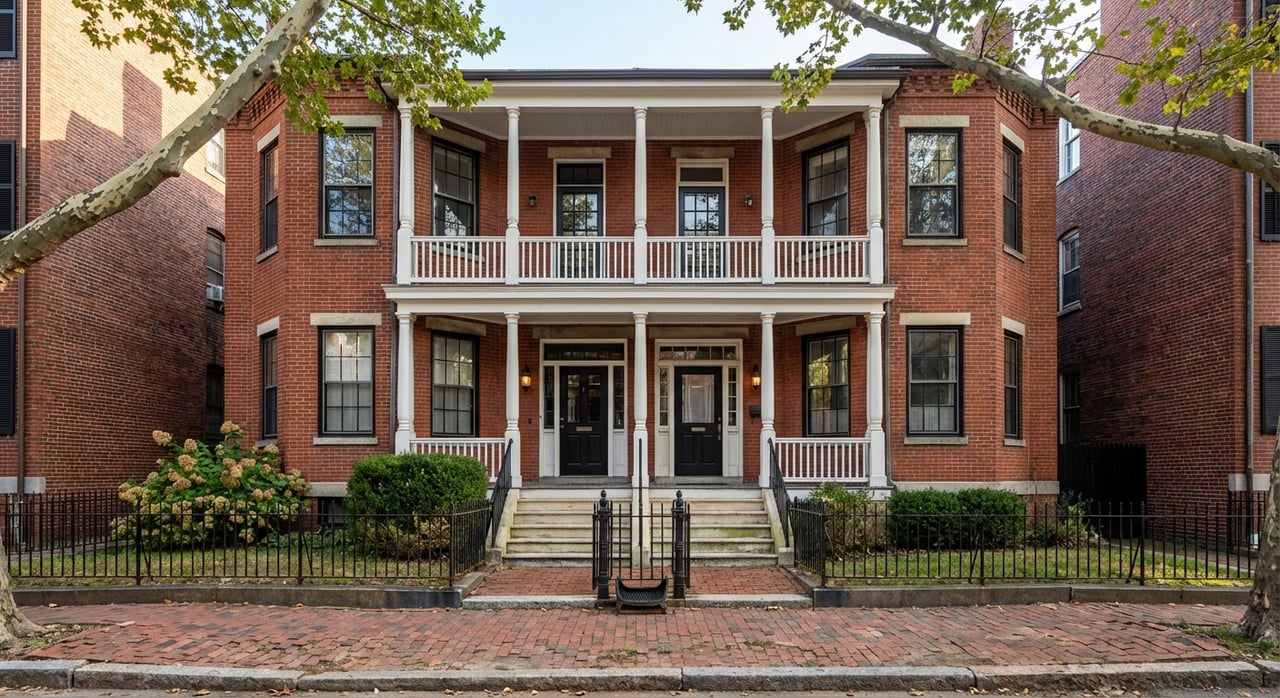
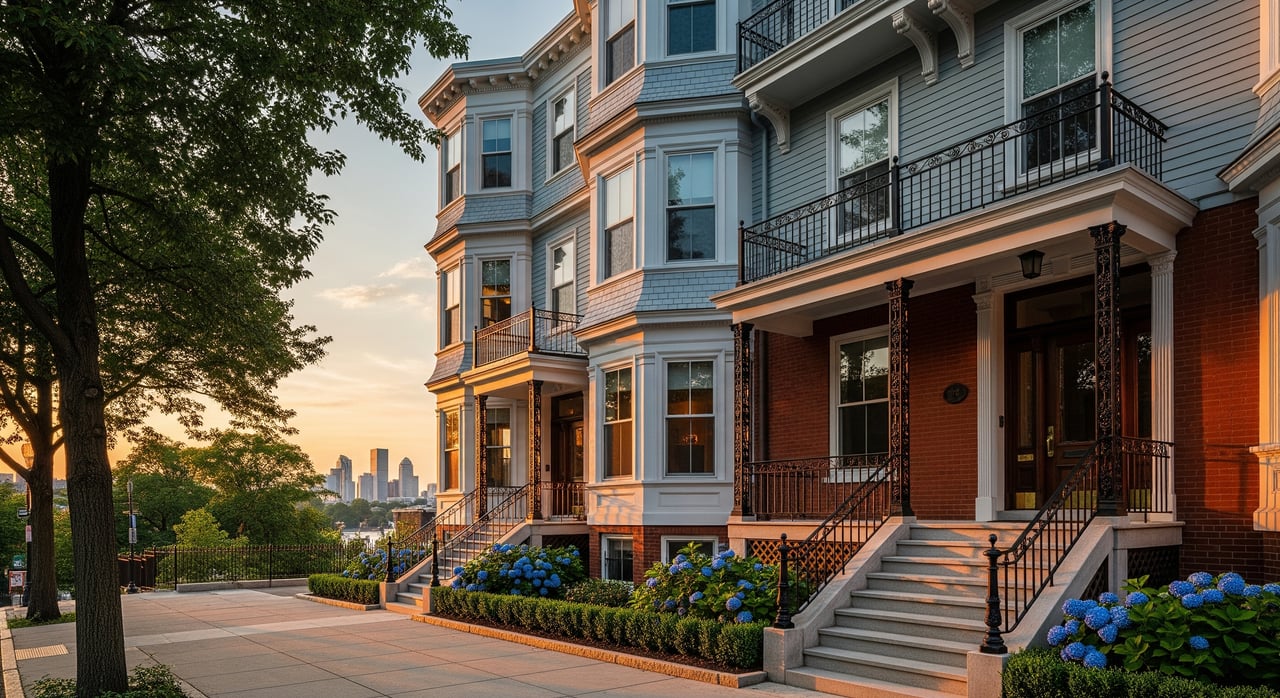
Expect a mix of pre-war brick conversions, late-19th and early-20th century rowhouses and triples, mid-century garden-style condominiums, and newer infill buildings near main corridors. Each style carries different maintenance profiles and amenity sets, so match your checklist to the building’s age and systems.
Exterior changes like roof decks or façade work can be limited by local zoning or preservation overlays. Before planning any alterations, review the town’s Zoning By-Laws and guidelines to see whether a property sits in a Historic District or Neighborhood Conservation District.
Market snapshot context
Brookline remains a high-value, transit-served market with home values that trend above the Massachusetts median. Recent snapshots place the overall home value index above $1 million. For perspective, review current figures on Zillow’s Brookline home values, and re-check data close to your offer date.
Your streamlined next steps
- Shortlist three buildings that align with your commute and parking needs.
- Have your agent request the full HOA packet and town permit history the day you plan to offer.
- Book a general inspection now and hold a slot for a focused engineering follow-up if needed.
- Ask your lender to start project eligibility and reserve-review early, especially if using FHA or VA.
If you want a quick, disciplined process customized to your schedule, connect with Kathleen Galiney for a streamlined Brookline condo search and an offer-to-close plan that protects your time and your bottom line.
FAQs
What should I ask for in a Brookline condo HOA packet?
- Request the master deed, bylaws, current budget and financials, reserve study, last 12 months of minutes, and the master insurance declarations, then compare to M.G.L. c.183A.
How do Brookline overnight parking rules affect condo living?
- If your unit lacks deeded parking, confirm resident and guest permit options and realistic street availability using the town’s Parking rules and permits.
How can I quickly verify a building’s permit history in Brookline?
- Use the town’s Assessors Maps for parcel data, then check Permits & Licensing for building permits on major systems.
What should I prioritize during a short condo tour in Brookline?
- Look for moisture or mold, exterior masonry condition, elevator age, heat and hot water setup, window updates, and the parking setup, then plan targeted inspections if anything seems near-term.
Why does FHA or VA project approval matter for a Brookline condo?
- Many lenders require project reviews; FHA or VA eligibility can affect your loan options, timing, and the future buyer pool, so start checks early using HUD’s condo guidance.