Thinking about buying a Somerville duplex or triple-decker so your tenants help cover the mortgage? You are not alone. Two- and three-family homes can be a smart way to live close to Cambridge and Boston while building long-term equity. In this guide, you will learn what “legal” really means, how to gauge rentability by neighborhood, how to run simple underwriting, and what to check before you write an offer. Let’s dive in.
What “two-family” and “three-family” mean
A two-family, or duplex, is a property with two separate dwelling units. Each unit has its own kitchen and bathroom. A three-family, or triplex, has three separate dwelling units. In Somerville, what counts is the legal configuration on record, not just the physical layout.
There is a big difference between legal units and de-facto units created without permits. Legal status affects your financing, insurance, and ability to rent. Always confirm the property’s permitted use with city records before you move forward.
Why legality matters in Somerville
Somerville has its own zoning ordinance and building codes that define where two- and three-family homes are allowed and how they must be configured. Start with the city’s resources to verify use, parking, and any dimensional rules. You can search the Somerville Zoning Ordinance and then confirm details with Somerville Inspectional Services and the Somerville Assessor’s Office.
If a property is a legal two-family but was carved into a third unit without permits, your lender may not finance it. You could face higher insurance costs or be required to restore the building to its legal configuration. Clearing open permits or violations can also delay closing.
Common layouts and building traits
Typical configurations
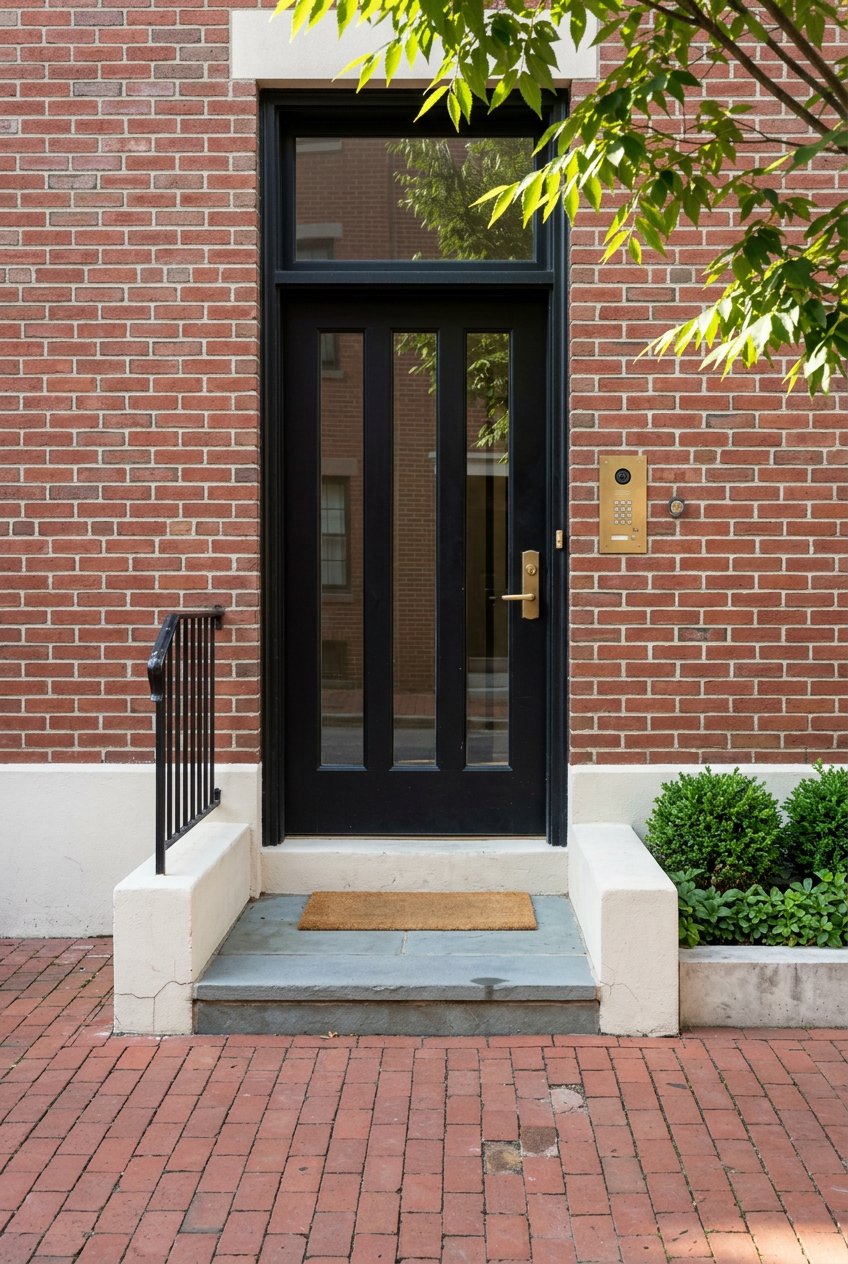
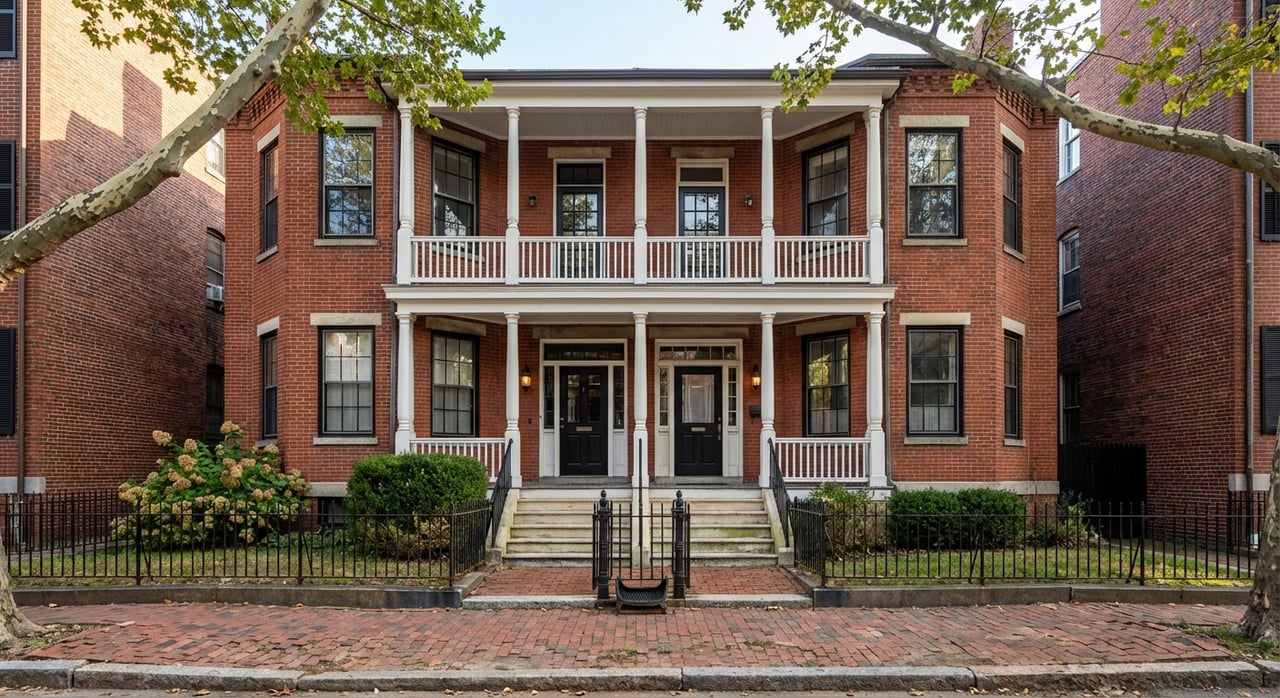
- Side-by-side duplex with separate entrances.
- Up-down duplex with one unit per floor, common in older New England homes.
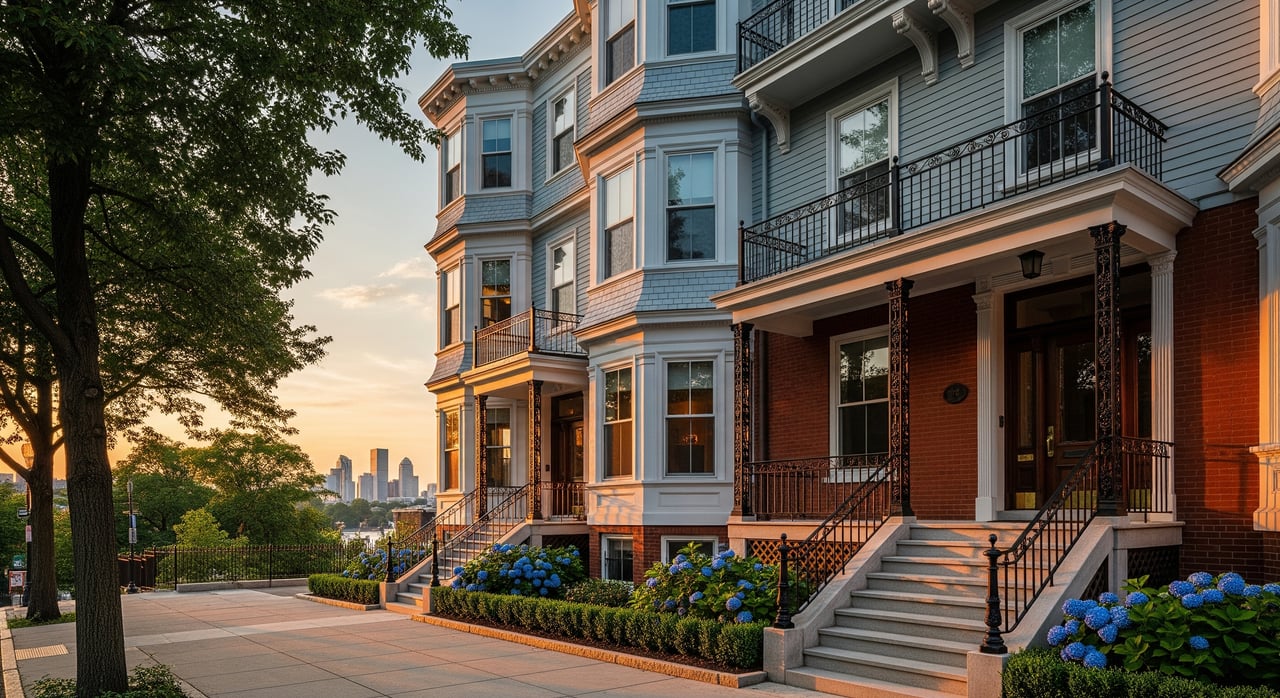
- Triple-decker with three flats stacked vertically.
- Conversions of single-family homes that split basements or attics. Be cautious about egress and permits.
Age and systems to evaluate
Many Somerville multiunits date to the late 19th or early 20th century. Expect plaster walls, older porches, and legacy systems in some buildings. During due diligence, pay close attention to the roof, foundation, electrical service, heating systems, insulation, windows, and potential lead paint or asbestos in pre-1978 structures. If renovations are planned, review the EPA Renovation, Repair and Painting rule for lead-safe practices.
Neighborhood rentability patterns
Demand in Somerville benefits from proximity to Cambridge and Boston job centers, universities, hospitals, and transit. Micro-locations drive rent levels and turnover:
- Davis Square and Porter Square: strong transit and retail access that appeals to many renter profiles.
- Union Square: ongoing redevelopment and transit access support demand.
- East Somerville and Brickbottom: access to MBTA and major roadways. Performance varies by exact location and condition.
Unit mix matters. Studios and one-bedrooms often attract singles and working professionals. Two-bed and larger units can draw roommate households and small households. Off-street parking is limited in many areas, which can affect pricing and tenant mix. Use regional benchmarks, such as HUD Fair Market Rents, and municipal data from the American Community Survey to frame expectations at a high level, then refine with current local comps.
Run the numbers, step by step
You do not need a complex model to screen a property. Start simple, then refine.
1) Estimate gross rent
List each unit’s realistic monthly rent. Use current leases if they exist, then compare to nearby listings and recent rentals. Multiply by 12 to get annual gross rent.
2) Apply a vacancy factor
Pick a conservative vacancy assumption based on neighborhood and unit type. Many inner-core markets experience lower vacancy than suburban areas, but this varies. Add downtime for turnover and re-leasing.
3) Estimate operating expenses
Include property taxes, insurance, common utilities if owner-paid, water and sewer if applicable, trash, maintenance, snow and landscaping, and management if you will not self-manage. Add a reserve for capital items like roofs and heating systems.
4) Find Net Operating Income (NOI)
NOI equals annual gross rent minus vacancy and operating expenses.
5) Check quick metrics
- Gross Rent Multiplier: Purchase price divided by annual gross rent. Lower is better, all else equal.
- Cap Rate: NOI divided by purchase price. Compare to similar properties and your target return.
- Cash-on-Cash Return: Annual pre-tax cash flow divided by your total cash invested. Useful when using financing.
A quick example helps. Imagine a triplex with $9,000 monthly rent at pro forma, 4 percent vacancy, and $36,000 in operating expenses. Annual gross rent is $108,000. Vacancy at 4 percent is $4,320. NOI is about $67,680. If the price is $1,050,000, the cap rate is about 6.45 percent before debt. Your results will vary based on actual rents, taxes, and condition, so always refine with property-specific data.
Financing paths: owner-occupant vs investor
Owner-occupant options
If you plan to live in one unit, you may qualify for programs that allow lower down payments on 2 to 4 units. Explore FHA loans for 2 to 4 units and Fannie Mae conventional options. These programs have specific occupancy rules and mortgage insurance requirements, which vary by borrower profile and lender. Local and state offerings, including MassHousing programs, can support first-time buyers and rehab needs.
Investor options
If you will not occupy a unit, expect higher down payments and stricter cash-flow tests. Some lenders offer portfolio or small-balance commercial loans for experienced investors. In all cases, speak with several local lenders and an attorney early so you understand rates, underwriting, and timing.
Taxes, insurance, and legal basics
- Property taxes: Somerville’s tax rates and assessment determine your annual property tax. Confirm specifics with the Assessor.
- Rental income taxes: Rental income is taxable at federal and state levels. Typical deductions include mortgage interest, taxes, operating costs, depreciation, and documented capital improvements. Consult a tax advisor for your situation.
- Insurance: Ask for landlord or mixed-use coverage appropriate for multiunit buildings. Verify liability and loss-of-rents coverage.
- Lead paint and health rules: For pre-1978 homes, review state resources through the Massachusetts Department of Public Health and federal rules through the EPA.
- Landlord-tenant law: Lease terms, deposits, notices, habitability, and eviction procedures are regulated. Review current Massachusetts landlord and tenant laws and any Somerville ordinances before leasing.
Short-term rental rules vary by city. Confirm Somerville’s current stance and any registration requirements on municipal pages before considering transient use.
Due diligence checklist for Somerville buyers
Title and legal status
- Confirm the legal number of units on title and municipal records.
- Review easements and any deed restrictions.
Permits and certificates
- Verify a certificate of occupancy or use permit for each unit.
- Pull building permits for conversions, additions, and major system work.
- Check for open violations or unresolved permits with Somerville Inspectional Services.
Physical inspections
- Use a licensed home inspector experienced with multiunit buildings.
- Order specialized inspections if needed: chimney, HVAC, oil tank, sewer, pest.
- Confirm life-safety items: egress, fire separation, smoke and CO detectors, stair safety.
Financial and operational review
- Request current leases, security deposit records, and payment history.
- Review recent utility bills, taxes, insurance premiums, and capital expenditures.
- Build a conservative pro forma using local vacancy and realistic maintenance reserves.
Neighborhood and market checks
- Compare recent multiunit sales across Somerville and nearby cities such as Cambridge and Medford.
- Track local planning documents for transit or zoning changes.
Decide your path: house-hacker or investor
Owner-occupant pros
- Lower down payment options in many cases, plus better loan terms.
- Rental income from other units can offset housing costs.
- Daily oversight can help control expenses and protect the asset.
Owner-occupant cons
- You must meet occupancy requirements for your loan program.
- You share walls or common areas with tenants, which requires clear boundaries.
- Resale may be affected if the next buyer needs owner-occupied financing.
Investor pros
- You can manage for cash flow or appreciation without living on site.
- Flexible screening within the law and easier use of professional management.
- Access to investment-focused loan products.
Investor cons
- Higher down payments and tighter underwriting.
- Possibly higher taxes and insurance relative to owner-occupied scenarios.
When choosing your path, consider your financing, cash flow needs, tolerance for hands-on management, and exit plan. Also plan for reserves to handle vacancy or larger repairs. A clear strategy will help you move quickly when the right property hits the market.
Your next step in Somerville
If a two- or three-family fits your goals, start by confirming legal status, penciling out a conservative pro forma, and speaking with local lenders. From there, tour a few buildings in different micro-neighborhoods to see how layouts, parking, and transit access affect value and rentability. If you would like a clear, step-by-step plan tailored to your budget and timeline, reach out to Kathleen Galiney for a neighborhood consultation.
FAQs
How do I confirm a legal two- or three-family in Somerville?
- Check permits and the certificate of occupancy with Somerville Inspectional Services, and confirm the unit count with the Assessor’s Office.
What should I inspect in older Somerville multiunits?
- Focus on roof, foundation, electrical, heating systems, egress, and life-safety items, and follow EPA lead-safe rules for pre-1978 homes.
How can I estimate rents and vacancy for underwriting?
- Start with current leases, then compare to local comps and reference HUD Fair Market Rents and the American Community Survey for context.
Can I buy a 2–4 unit with a low down payment if I live there?
- Yes, many owner-occupants use FHA loans for 2 to 4 units or Fannie Mae conventional options, subject to lender guidelines and occupancy rules.
Are there local programs that can help first-time buyers?
- Explore MassHousing programs for down payment and rehab support options for owner-occupants.
Where can I learn about Massachusetts landlord-tenant rules?
- Review current Massachusetts landlord and tenant laws and check Somerville municipal pages for any local requirements.