What if your tenants helped pay your Somerville mortgage while you built equity in a high-demand market? With two- and three-family homes across the city, house hacking can turn a steep housing cost into a manageable plan. You still need a clear view of financing, local rules, and the true cost of maintaining an older building. This guide walks you through the Somerville specifics so you can buy confidently and live strategically. Let’s dive in.
Why house hack in Somerville
Somerville sits in a prime, transit-connected pocket of Metro Boston with strong renter demand. Median home values were in the low to mid $900,000s as of January 31, 2026, and typical asking rents often land in the low $3,000s to mid $3,000s per month. That combination means your rental income can offset a meaningful share of your monthly costs.
Vacancy runs low in Somerville, which helps reduce downtime between tenants. Even so, budget realistically for turnover time and leasing costs. The Green Line Extension improved access around Union Square and into Medford, adding to the long-term draw near Union, Davis, Porter, Assembly, and Inman Squares. Proximity to a station or a central square usually supports higher rents and stronger resale interest, according to the transit history of the Green Line Extension.
What house-hackable homes look like
Somerville two- and three-families
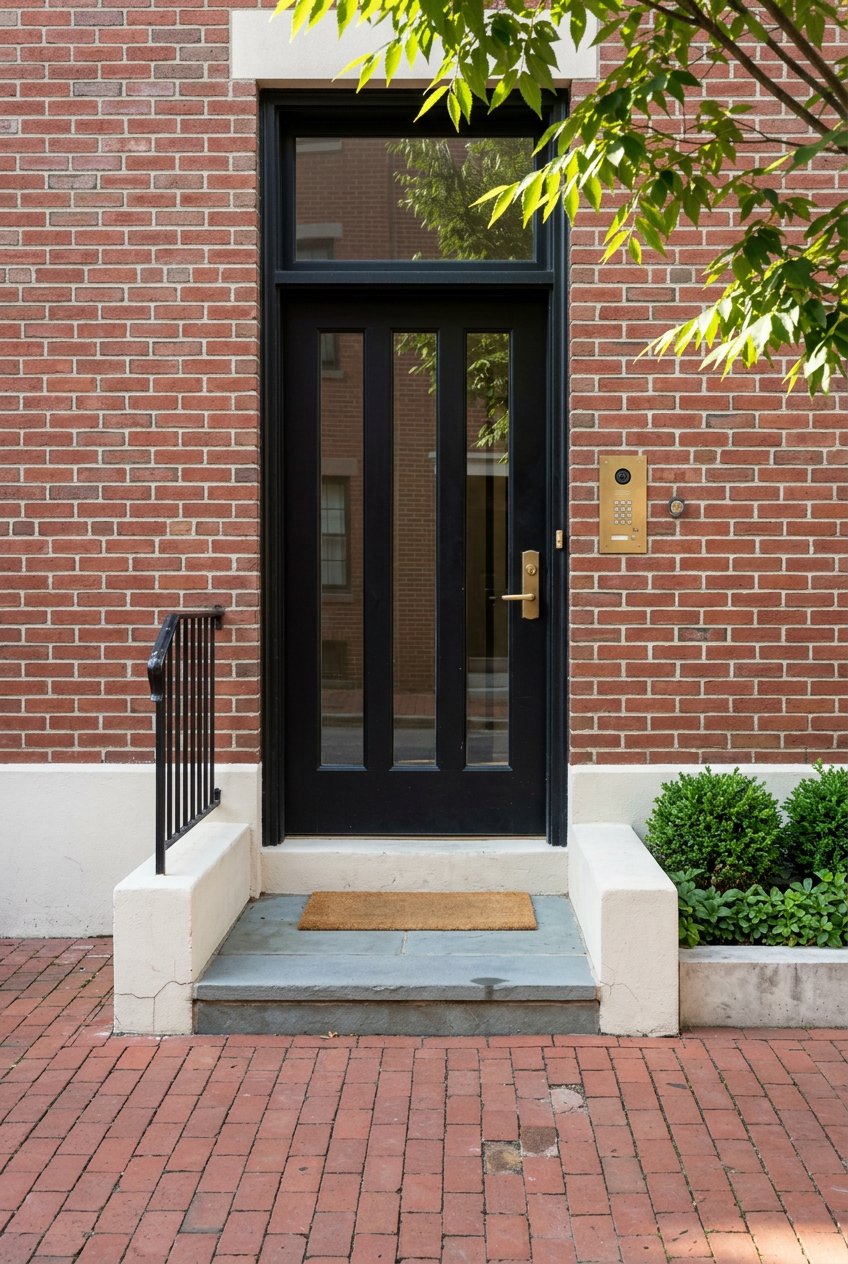
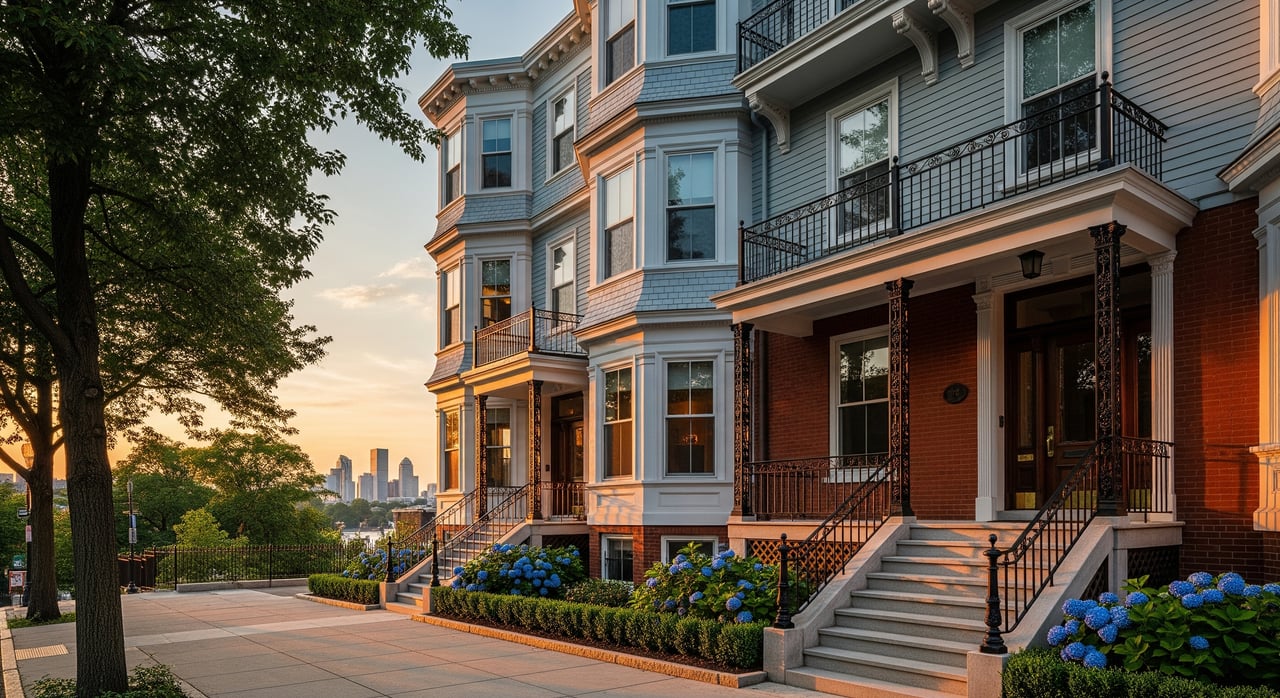
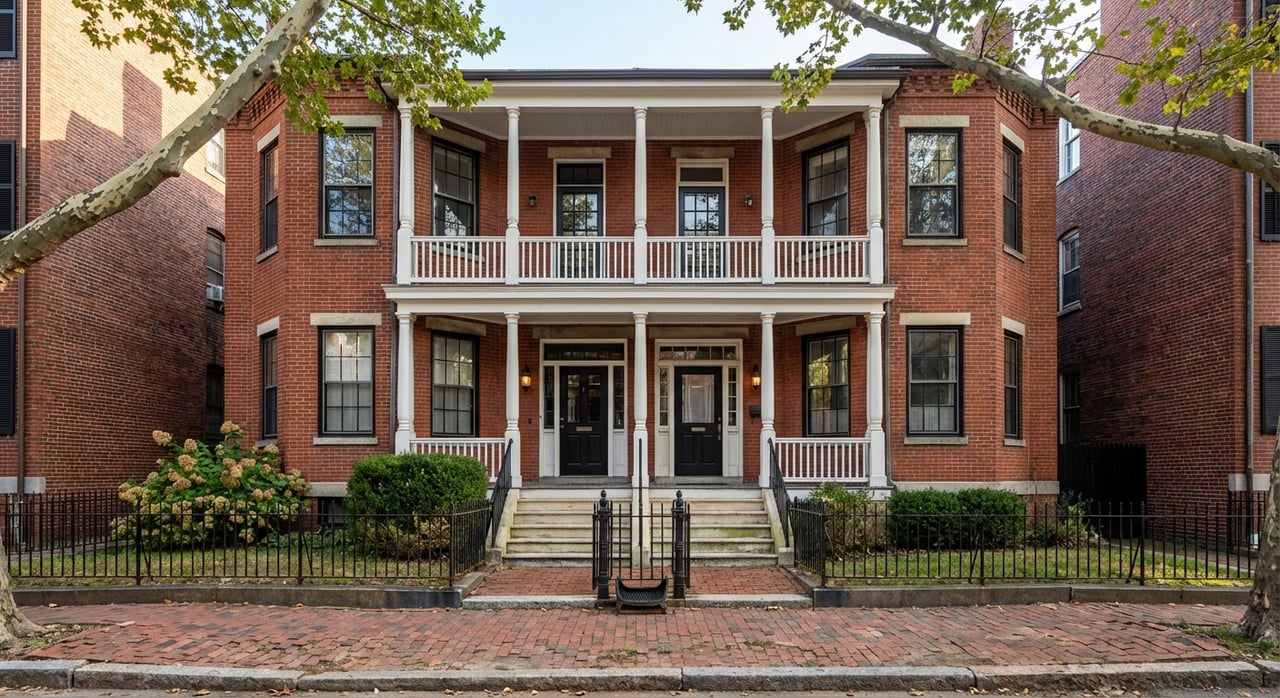
Older wood-frame two-families and classic triple-deckers are common across Somerville. Triple-deckers typically stack one flat per floor, which keeps each unit self-contained. Lots are compact and on-site parking is often limited, so factor resident and tenant parking plans into your screening.
Typical layouts and utilities
Two-families often pair one larger 2–3 bedroom unit with a smaller 1–2 bedroom unit. Three-families often contain three 1–2 bedroom flats. Many buildings share plumbing and mechanical stacks. If a property already has separate gas and electric or dedicated boilers, it can simplify utility splitting and future maintenance.
Age and permitting implications
Many Somerville multifamily homes were built before 1940. If a building is 75 years or older, certain project types can trigger historic or demolition review. Review the city’s Submittal Requirements Manual and the Planning, Preservation and Zoning resources to understand permit triggers and documentation. For pre-1978 buildings, plan for lead-safe work practices and licensed contractors under Massachusetts rules; see the state’s lead-safe renovation guidance.
Financing your owner-occupied 2–3 unit
FHA options to consider
FHA permits owner-occupied financing for 2–4 unit properties, often with down payments as low as 3.5% for qualified borrowers. For 3–4 unit properties, FHA underwriters may apply a self-sufficiency test that considers projected rental income. Learn how FHA looks at multiunit financing in this FHA multifamily primer, and always confirm Middlesex County loan limits for your unit count before you shop.
Conventional 2–4 unit programs
Some conventional programs allow owner-occupied 2–4 unit purchases with competitive down payments compared to investor loans. Pricing depends on conforming loan limits, program rules, and lender overlays. Check current county limits for Middlesex County on conforming and FHA loan caps to understand whether your target price may require a jumbo or portfolio loan.
Using rental income to qualify
Many lenders count a conservative portion of projected rents for qualification, often after a vacancy factor. You may also need reserves, especially for 3–4 unit properties. Ask your lender how they treat rental income, expected reserves, and documentation; this 2–4 unit financing overview outlines common approaches.
Your next step
Get a pre-approval that names the program you plan to use and confirms county loan limits and reserve requirements. That clarity helps you compare properties with confidence and make stronger offers.
Run the numbers for Somerville
Somerville is a tight, higher-priced market, which can compress near-term cash yields. Many house hackers aim to reduce their personal housing cost while building equity rather than seeking immediate high cash flow. Use a simple framework to compare properties side by side.
A quick underwriting checklist
- Model two scenarios:
- Conservative: 5–7% vacancy, 8–12% of gross rent for capital reserves, realistic repair costs, and standard property management assumptions even if you self-manage.
- Optimistic: 2–3% vacancy and lighter capital reserves if systems and roof are newer.
- Calculate net operating income before mortgage.
- Layer in your mortgage payment based on likely rate and down payment.
- Estimate your effective monthly housing cost after tenant rent offsets.
Vacancy and turnover planning
Low vacancy does not mean zero downtime. Budget 4–8 weeks between tenants for cleaning, repairs, and marketing. If you use a broker to lease, factor in any fee structure so your net numbers stay accurate.
Regulations and local planning to know
Permits, zoning, and historic review
Check the City’s Planning, Preservation & Zoning portal for parcel-specific requirements, open permits, or violations. You can start with Somerville PPZ and the city’s Submittal Requirements Manual to understand review steps. For zoning details, the Somerville Zoning site outlines districts, dimensional standards, and design review.
MBTA Communities and three-family forms
Somerville updated zoning to support more small multifamily housing as part of the state’s MBTA Communities framework. That shift has encouraged more three-family applications and can influence where new supply appears. For background on the statewide requirement, review the MBTA Communities law Q&A.
Condo conversions and tenant protections
Somerville has a long-running discussion around condo conversions, tenant notifications, and relocation protections. If you are considering a future conversion, build a plan that aligns with local rules and timelines. For context on the policy environment, see reporting on Somerville’s condo conversion history in the Boston Globe.
Lead-safe work and older building hazards
If the property predates 1978, plan for lead-safe renovation practices and documentation. Many older buildings also have knob-and-tube wiring, stacked plumbing, and aging boilers. Confirm scope and costs early and follow the state’s lead-safe requirements.
Insurance considerations
Insure small multifamily properties with a landlord policy that covers the dwelling, liability, and loss of rents. Premiums often reflect the building’s age, claims history, and proximity to fire services. If an oil tank, sprinkler system, or other building-specific exposure exists, make sure your carrier underwrites it correctly.
How to evaluate a building’s potential
Location within Somerville
Units within a 10–15 minute walk of a major square or rapid transit often command stronger rents and attract a deeper buyer pool at resale. The Green Line Extension and Red Line nodes increased access around Union, Porter, and Davis, and that convenience should factor into your pro forma. Adjust rent assumptions by micro-location rather than using a citywide average.
Zoning and redevelopment potential
Zoning controls what you can add or change on a lot. Understand the envelope, parking requirements, and design review triggers so you can price value-add work correctly. Somerville’s policy moves to allow more small multifamily housing respond to the MBTA Communities guidance, which also shapes long-term supply dynamics.
Building fabric and near-term capital needs
Walk roofs, examine porches and exterior stairs, and ask for the age and type of boilers, heat exchangers, and hot water systems. Look at electric panels, check for older risers, and ask specifically about insulation, window age, and any deleading history. Older Somerville buildings commonly need heater replacements and lead-safe work within a 5–10 year window; price those items into your offer.
Cash flow versus appreciation
In Somerville, many owner-occupants accept modest cash flow in exchange for reduced personal housing cost, principal paydown, and long-term appreciation potential. Be clear on your goal. If you prioritize lower monthly cost today, focus on unit layouts and locations that support strong rent and low turnover.
Due diligence you should not skip
- Get a program-specific pre-approval that confirms 2–4 unit eligibility, required reserves, and county loan limits.
- Request a rent roll or 12 months of bank statements plus utility bills, then compare to current market rents.
- Order a full inspection that evaluates roof, foundation, mechanicals, electric panels, and plumbing stacks with estimated remaining life for each.
- Check municipal records for open permits, violations, and the current zoning district at Somerville PPZ.
- For pre-1978 properties, plan for licensed deleading or lead-safe renovation under the state’s rules and forms.
Where to look and what to watch
Central, walkable areas close to Davis, Porter, Union, Assembly, and Inman Squares often trade at a premium, but they also deliver stronger rent potential and stable demand. If your budget stretches further from transit, weigh the trade-off between lower purchase price and lower achievable rents. The Green Line Extension map can help you frame how access might affect rent strength and future resale.
How a local advisor helps
You make your best decision when you pair neighborhood context with disciplined numbers. A Somerville-savvy advisor can benchmark rent comps by micro-location, flag permit triggers before you write an offer, and connect you with lenders who understand 2–4 unit underwriting. You also gain introductions to inspectors and licensed contractors who know older triple-deckers and lead-safe requirements.
If you are ready to explore house hacking in Somerville, reach out for a focused consultation. With 25 years of financial-services experience and hands-on neighborhood insight, Kathleen Galiney will help you run the numbers, navigate permits, and buy with confidence.
FAQs
Can I live in one unit and use rental income to qualify for a loan?
- Yes. FHA and several conventional owner-occupied programs permit 2–4 unit purchases if you live in one unit, with program-specific rules on using projected rents to qualify.
How much down payment do I need for a 2–3 family in Somerville?
- It varies by program. FHA can allow as little as 3.5% down for qualified borrowers on 2–4 unit homes, while conventional programs may require different down payments and reserves.
Will a Somerville two- or three-family cash flow on day one?
- Not always. Many buyers use rental income to reduce their housing cost and lean on long-term appreciation rather than seeking high immediate cash yield.
What local rules could affect renovations or a future condo conversion?
- Somerville’s permitting process, historic review thresholds, and condo-conversion rules can affect scope and timelines. Review PPZ resources and plan your schedule and budget accordingly.
What should I inspect closely in an older triple-decker?
- Focus on roof condition, exterior porches and stairs, boilers and hot water systems, electric panels, vertical plumbing stacks, windows, insulation, and any lead-safe documentation.