Thinking about trading a long commute for a walk to work, great coffee, and riverfront runs? If you are eyeing Cambridge, you are not alone. Urban professionals and downsizers choose this city for its mix of innovation, culture, and convenience. In this guide, you will learn how the major squares shape daily life, what housing types to expect, how commute options compare, and which trade-offs matter most. Let’s dive in.
Why Cambridge works for pros
Cambridge sits on the Charles River across from Boston and is home to Harvard University and MIT. These institutions anchor a strong economy in technology, biotech, higher education, and professional services. Kendall Square, Harvard Square, and Central Square each offer distinct networks, amenities, and social scenes.
You feel the benefits of these clusters in daily life. Proximity to labs, offices, and campuses can shorten your commute and expand your professional network. The trade-off is price pressure near transit and employment hubs, especially for well-located condos and smaller units.
Neighborhood snapshots by square
Harvard Square: culture and convenience
- Best for: People who want walkable access to bookstores, cafés, cultural venues, and academic energy.
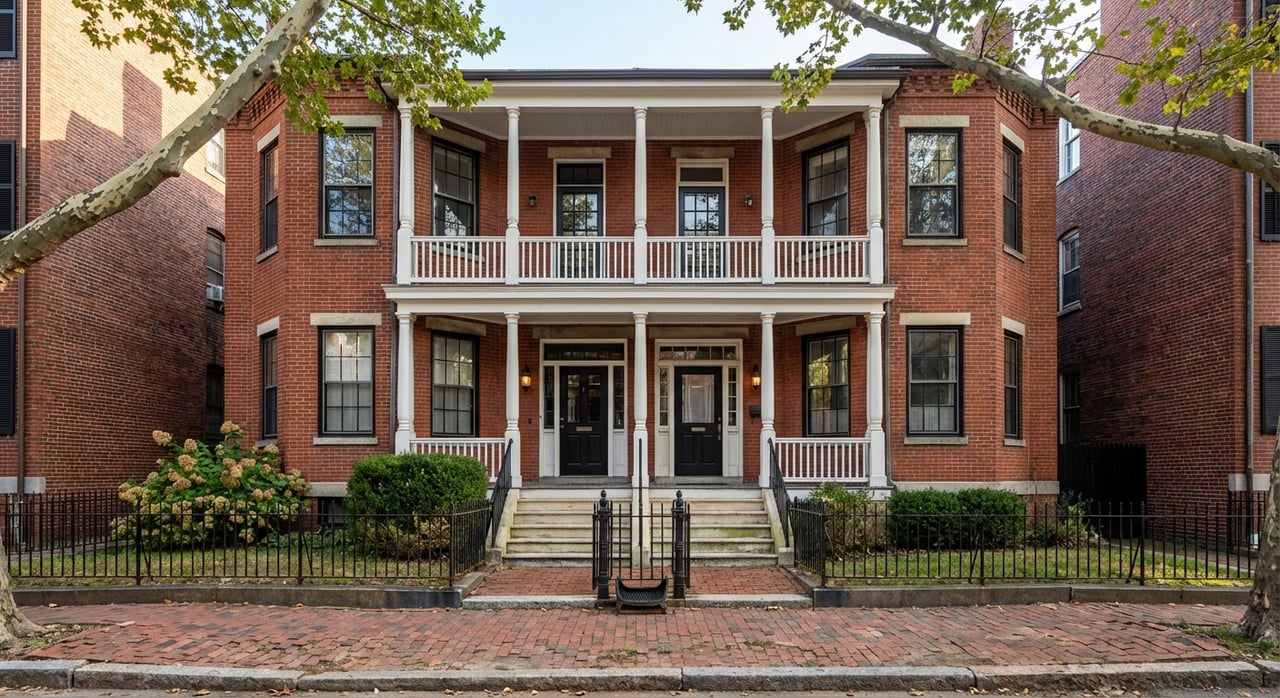
- Expect: Historic streets, smaller condos and rowhouses, and lively sidewalks with visitors and students. Prices reflect high demand for proximity to Harvard and shops.
Harvard Square offers a rich arts scene, from museums to theater, plus a strong dining mix. It can be busy and sometimes noisy, but it delivers a true city lifestyle within a short walk.
Kendall Square: walk-to-work innovation
- Best for: Professionals in biotech, life sciences, engineering, or startups who value a quick walk or bike ride to the office.
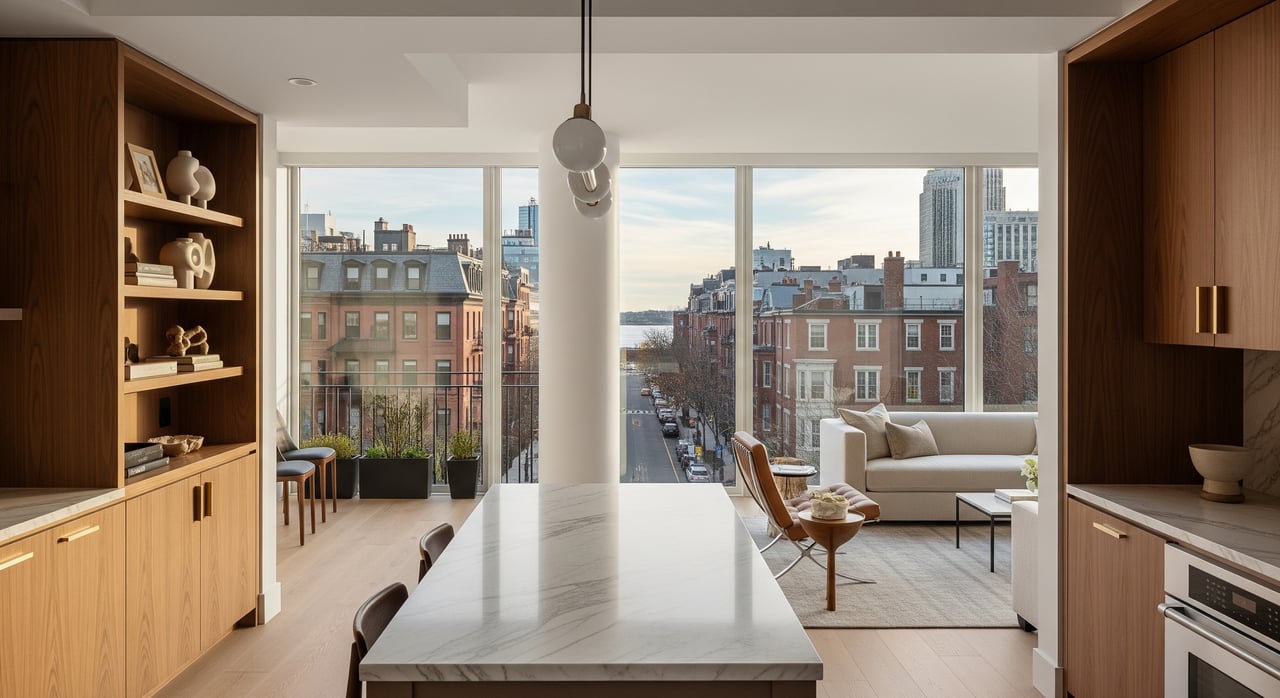
- Expect: Newer luxury condo buildings, amenity-rich developments, and a modern feel. Activity peaks during office hours, with quieter evenings than student-heavy areas.
Kendall is one of the world’s notable innovation clusters and continues to see new development. Expect premium pricing close to employers and the Red Line.
Central Square: nightlife and variety
- Best for: People who want an eclectic mix of restaurants, music, arts, and independent businesses.
- Expect: Mixed-use blocks, older multifamily housing, and a diverse dining scene. Historically more affordable than Harvard and Kendall, but prices have risen.
Central brings an energetic vibe with strong community programming and cultural options. It offers good Red Line access and easy trips to neighboring squares.
Beyond the squares
Porter and Alewife
Porter Square combines retail convenience with MBTA Red Line service and a commuter rail station for west and northwest travel. Alewife offers Red Line access, larger developments, and a major park-and-ride garage that helps if you work in the suburbs.
Inman, Mid-Cambridge, and Cambridgeport
Inman Square is known for restaurants and a neighborhood feel with older housing stock. Mid-Cambridge places you between Harvard and Central with comfortable walkability. Cambridgeport delivers river access and urban living near the Charles.
West and North Cambridge
You will find more tree-lined residential streets and a quieter pace in parts of West and North Cambridge. Single-family homes are more common here, though supply can be limited and pricing reflects demand.
Housing types and trade-offs
Condos and co-ops
Condos dominate in denser areas and newer buildings. They work well for downsizers and first-time buyers who want lower maintenance. Be sure to review monthly fees, building reserves, and association health, since those costs can offset a lower mortgage payment.
Multi-family ownership
Two-to-four family buildings are common. Many owner-occupants live in one unit and rent the others to offset carrying costs. This can be a smart long-term strategy, but you should understand landlord responsibilities and local tenant rules.
Townhomes and single-family homes
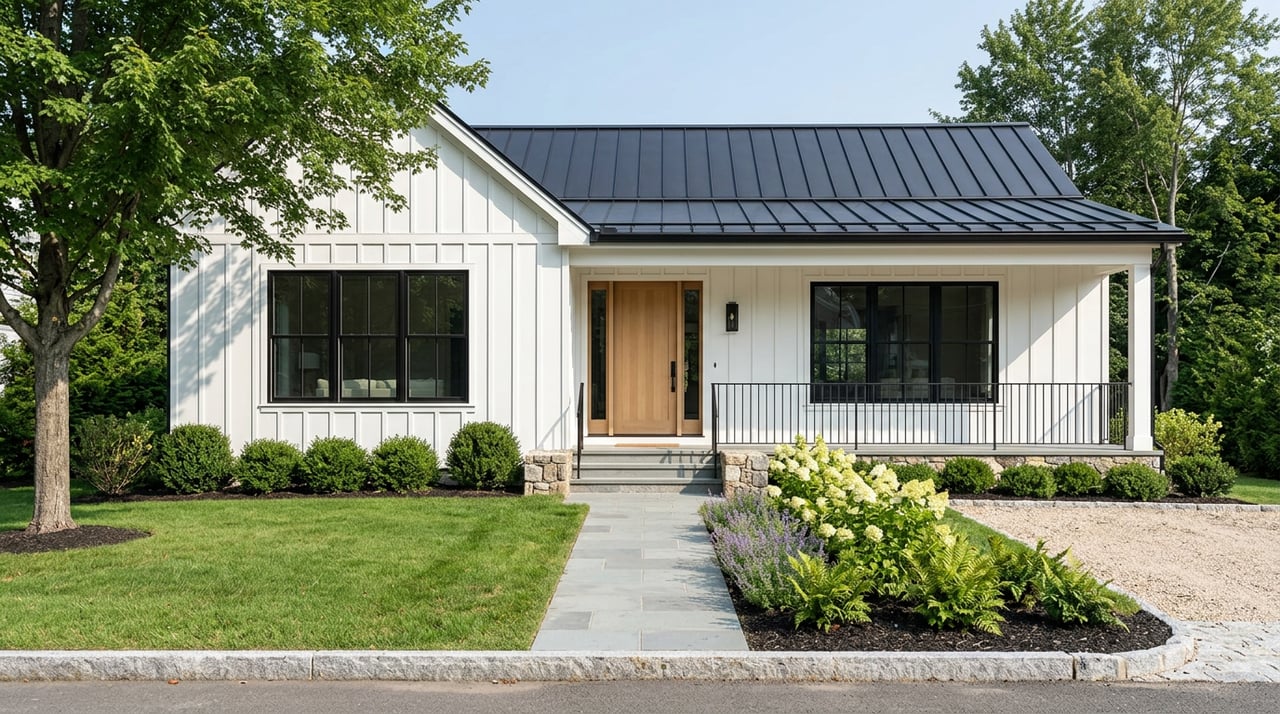
Townhomes and historic rowhouses appear in select pockets and may offer more space across multiple levels. Single-family homes are limited and typically command higher prices, especially in West and North Cambridge.
New development condos
Kendall and East Cambridge have seen growth in high-end, amenity-rich buildings. Expect modern finishes, elevators, gyms or lounges, and strong proximity to transit and employers. Unit sizes may be smaller, with a premium on location and convenience.
Budget and carrying costs
Cambridge is an expensive market compared to national averages. You often trade square footage for walkability and transit access, especially near the Red Line. Factor condo fees, property taxes, and insurance into your monthly budget. If you own a car, consider the cost and availability of deeded or rented parking, since off-street parking is limited in many neighborhoods.
Commuting and mobility
Red Line and buses
The MBTA Red Line is the backbone of Cambridge transit, with stations at Alewife, Porter, Harvard, Central, and Kendall. It provides fast access to downtown Boston and major transfer points. Frequent buses connect the squares and nearby towns.
Walk and bike options
Cambridge is highly walkable, and many daily needs can be met within a short stroll of the squares. Bike infrastructure continues to expand, including protected lanes and connections to river paths and the Minuteman Commuter Bikeway near Alewife. Bluebikes stations help with short trips and first or last mile links.
Driving and parking
Driving is possible, but peak-hour traffic and narrow streets can add friction. Some neighborhoods require residential permits for street parking, and rules vary by area. Alewife’s park-and-ride garage helps if you split your commute between car and transit.
Typical commute examples
If you live in Kendall, a lab or office commute might be a 10-minute walk or bike ride. Red Line trips from Cambridge squares to downtown Boston are often under 15 minutes. The result is less time commuting and more time for work, fitness, and social plans.
Parks, culture, and daily essentials
You have access to a wide range of arts and culture, including museums and theaters associated with Harvard and MIT, as well as independent venues. Outdoor options include the Charles River parks and paths, Fresh Pond Reservation, Danehy Park, Cambridge Common, and Magazine Beach Park. Everyday errands are easy with neighborhood grocers, specialty shops, and larger supermarkets spread across the squares.
Healthcare is close by, with local hospitals and medical centers in Cambridge and nearby Boston. Many downsizers value being near healthcare and services, along with the convenience of elevator buildings and lower-maintenance living.
Downsizer checklist
- Prioritize elevator access or ground-floor units.
- Confirm storage options and in-unit laundry.
- Review condo fees, reserves, and what is covered.
- Map healthcare, pharmacies, and services within a few blocks.
- Ask about parking availability and visitor options.
- Assess noise levels and foot traffic at different times of day.
How to choose your fit
- Start with your commute and daily routes. Living near the Red Line or your office may be worth a smaller floor plan.
- Visit at multiple times. Walk the block morning, midday, and evening to understand activity levels.
- Ride your commute. Test the walk, bike, or Red Line trip you will do most.
- Review building documents. Look at condo association budgets, rules, and recent maintenance.
- Verify parking and storage. Confirm deeded spaces, permit rules, and bike storage.
- Plan your offer strategy. In a tight market, pre-approval and quick decision-making can matter.
If you want a grounded, neighborhood-first plan for Cambridge, connect with a local advisor who blends market data with on-the-ground insight. When you are ready, reach out to Kathleen Galiney to Request a Personalized Home Valuation or Neighborhood Consultation.
FAQs
Is Cambridge transit-friendly for daily commuting?
- Yes. The Red Line connects Alewife, Porter, Harvard, Central, and Kendall to downtown Boston, and buses fill in local gaps. Many residents live car-light or car-free.
How does Cambridge housing cost compare to Boston?
- Cambridge is generally high-cost and can match or exceed many Boston neighborhoods, especially near Harvard and Kendall where demand is strongest.
Which square fits young urban professionals best?
- It depends on your priorities. Choose Kendall for walk-to-work proximity to tech and biotech, Central for nightlife and variety, or Harvard for culture and shops.
What housing types suit downsizers in Cambridge?
- Condos in elevator buildings near transit and services are popular. Focus on accessibility, storage, and condo fee budgets.
Is there inventory for first-time buyers in Cambridge?
- Inventory can be tight. The best approach is strong pre-approval, clear criteria, and readiness to act on well-priced listings.
What should car owners know about parking in Cambridge?
- Off-street parking is limited and adds value when deeded. Expect neighborhood permit rules for street parking and consider the Alewife garage for park-and-ride.