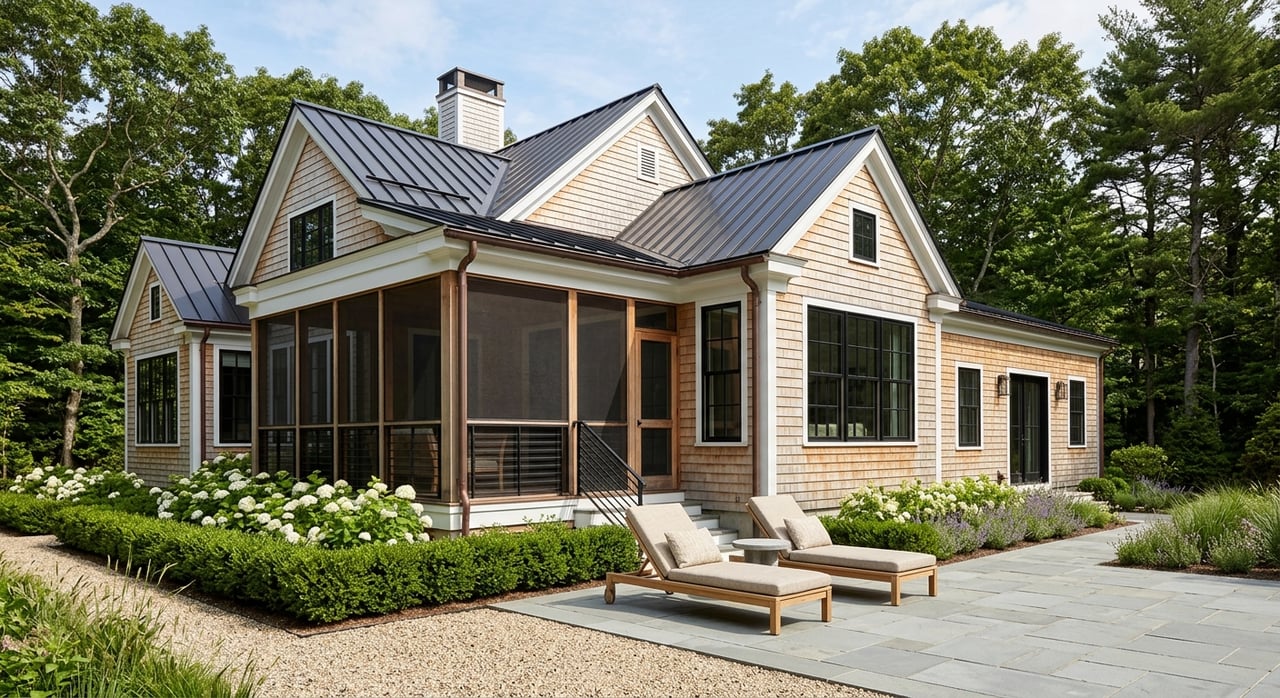
Wondering whether a second home on Cape Cod is a smart move or a costly daydream? You are not alone. For many buyers, Barnstable County offers the pull of beach days, family time, and long-term lifestyle value, but it also comes with real financial, seasonal, and ownership realities. If you are weighing the idea, this guide will help you think through the numbers, the logistics, and the town-by-town differences that matter most. Let’s dive in.
Why Cape Cod Is a Unique Second-Home Market
Buying a second home on Cape Cod is different from buying in many other vacation areas. Barnstable County includes 15 towns, and about 36% of housing units are used seasonally, recreationally, or occasionally. That level of seasonal demand shapes pricing, availability, and the overall feel of the market.
The Cape also has a meaningful share of homes tied to short-term rentals. About 10% of homes were on the short-term rental registry and actively rented, according to the state’s housing snapshot. At the same time, Massachusetts estimates that 5,800 year-round homes were converted to seasonal use from 2009 to 2019, which adds to housing pressure across the region.
For you as a buyer, that means this decision is about more than liking a house near the water. You are buying into a tight, highly seasonal coastal market with constraints tied to zoning, wastewater capacity, and climate exposure. That is why a clear plan matters before you start touring homes.
Start With Your Real Goal
Before you look at price points, ask yourself how you want to use the home. Some buyers want a personal retreat for weekends and summers. Others want a property that can also help offset costs through short-term rentals.
Your answer shapes almost everything that follows. It affects where you buy, what type of property makes sense, how much maintenance you can handle, and whether local rules and tax treatment will support your plan.
A second home can be a great fit if you expect to use it often and hold it long enough for the purchase to make sense. If you only plan to visit a few times a year, seasonal renting may still be the simpler option.
Compare Buying Versus Renting Seasonally
For many Cape Cod buyers, the real question is not just, “Can I buy?” It is, “Will owning serve me better than continuing to rent?” That is where the math and your lifestyle need to meet.
Buying usually starts with a down payment and closing costs. Closing costs commonly run about 2% to 5% of the purchase price. After that, you need to budget for property taxes, insurance, maintenance, utilities, and any HOA or condo fees.
On Cape Cod, rental income often enters the conversation quickly. The state estimates that with an average 2022 nightly rate of nearly $400, an owner could match median year-round rent with about 52 nights of short-term rentals. That does not guarantee profit, but it does show why many buyers see rental potential as part of the ownership picture.
Here is a simple way to compare your options:
| Question | Buying May Make Sense If... | Renting May Make Sense If... |
|---|---|---|
| How often will you use it? | You expect regular seasonal or year-round use | You visit only occasionally |
| Do you want long-term control? | You want your own place and consistent access | You prefer flexibility each season |
| Can you handle ongoing costs? | You are comfortable with taxes, insurance, and upkeep | You want fewer fixed expenses |
| Will you rent it out? | You are open to managing rules and added costs | You do not want rental oversight |
Understand Cape Cod Affordability
Cape Cod home prices can be a shock, even for well-prepared buyers. According to the state’s housing snapshot, a 2022 buyer needed about $210,000 in annual income to afford a median-priced single-family home. That stood far above the area’s median household income of $91,400.
That gap tells you something important. This is a market where financial preparation matters, especially if you are buying a second home while also carrying costs elsewhere.
Kathy Galiney’s financial-services background can be especially valuable here because second-home decisions often look simple on the surface but become more complex once you factor in carrying costs, insurance, taxes, and seasonal use. A disciplined budget can help you avoid buying based on emotion alone.
Know the Real Ownership Costs
The purchase price is only the beginning. In Barnstable County, local property taxes are assessed and billed by each municipality, so your tax bill will depend on the town and the property itself.
Insurance also deserves close attention. Homeowners insurance and flood insurance are not the same thing. FEMA notes that flood insurance is a separate policy, and homes in high-risk flood areas with government-backed mortgages must carry it.
Even beyond insurance, second homes often need more hands-on oversight than buyers expect. If the property sits empty for stretches of time, you may need regular check-ins, seasonal maintenance, storm prep, and a plan for handling issues when you are off-Cape.
Factor In Climate and Coastal Risk
Cape Cod’s shoreline is part of its appeal, but it also adds risk. Coastal communities across the Cape face erosion, sea-level rise, flooding, storm surge, and stronger storms. These are not abstract issues. They are part of day-to-day ownership planning.
Before you buy, review flood maps and confirm whether a property is in a Special Flood Hazard Area. Even homes outside mapped high-risk areas can still face financial exposure from flooding, so this should be part of your early due diligence rather than a last-minute insurance conversation.
This is especially important if you are buying for convenience or low-maintenance use. A home with water access or a coastal setting may fit your lifestyle beautifully, but you should go in with a full picture of the risks and the ongoing responsibilities.
Short-Term Rental Rules Can Change the Math
If you are hoping to rent out your Cape home, even part-time, make sure you understand the rules before you buy. In Massachusetts, short-term rentals of 31 days or less are subject to the 5.7% state room occupancy excise.
Cities and towns may also adopt a local room occupancy tax of up to 6%. In Barnstable County, towns are members of the Cape Cod and Islands Water Protection Fund, which adds a 2.75% excise on traditional lodging and short-term rentals. Municipalities may also adopt a community impact fee of up to 3% on short-term rentals.
Massachusetts also says lodging that must pay occupancy tax needs to register with the state. Local rules may add more requirements. For example, the Town of Barnstable highlights rental registration and a rental complaint hotline.
Insurance is another key piece. Massachusetts says short-term rental operators need specific insurance coverage, so if rental income is part of your plan, build that cost into your decision from day one.
Tax Treatment Deserves Early Attention
A Cape Cod second home can have mixed personal and rental use, and that can complicate taxes. If you use the home personally and also rent it out, the IRS requires owners to split expenses between personal and rental use.
The IRS also says mortgage interest on a qualified main home or second home may be deductible if you itemize, but vacation-home rental rules can affect which expenses are deductible. This is one reason it helps to think through your intended use before you buy rather than after closing.
The practical takeaway is simple: do not assume the tax side will work itself out. If rental income is part of your ownership strategy, clarity up front can prevent costly surprises later.
Choose the Right Cape Town
Not every second-home buyer wants the same Cape Cod experience. One of the biggest mistakes you can make is focusing only on the house and not enough on the town.
Barnstable and Hyannis
Barnstable describes Hyannis as the region’s year-round center of commerce and social services, with airport, beach, and harbor-related infrastructure. If you want easier access to transportation, services, and a more active year-round setting, this area may be practical.
Falmouth
Falmouth has 68 miles of shoreline, 10 public beaches, and a strong marine economy centered on Woods Hole and ferry access. It often appeals to buyers looking for beaches, boating, and more village activity beyond the peak season.
Sandwich
Sandwich describes itself as the oldest town on Cape Cod and emphasizes its quiet, historic seaside character. If you want a calmer gateway-to-the-Cape feel, this may be a strong match.
Chatham
Chatham sits at the southeast tip of the Cape, with frontage on the Atlantic, Nantucket Sound, and Pleasant Bay. The town also includes barrier beaches, harbors, estuaries, and ponds, making it a strong option for buyers drawn to a harbor-focused setting.
Wellfleet
Wellfleet says 61% of its land is within the Cape Cod National Seashore. Buyers who want beaches, ponds, harbor views, and a more natural Outer Cape setting often focus here.
Provincetown
Provincetown describes itself as a historic fishing port at the tip of Cape Cod with dunes, beaches, a large harbor, and a long arts history. It stands out for buyers seeking a highly distinctive coastal setting with strong visitor activity and a creative local identity.
Signs Buying Makes Sense for You
A second home on Cape Cod may be a smart move if several of these apply to you:
- You plan to use the home regularly, not just a few weekends a year.
- You want predictable access during the seasons you care about most.
- You are financially comfortable carrying both expected and unexpected costs.
- You understand the town-level setting you want, not just the property style.
- You are prepared for maintenance, weather planning, and possible rental rules.
- You see the purchase as a long-term lifestyle decision, not a quick win.
Signs You May Want to Wait
Sometimes the best decision is to hold off until your goals are clearer. Waiting may be the better move if you are still unsure how often you will visit, whether you want to rent the home, or how much oversight you are willing to take on.
It may also make sense to pause if your budget feels tight once you include taxes, insurance, and maintenance. On Cape Cod, the wrong second home can create stress instead of the flexibility and enjoyment you hoped for.
A Thoughtful Second-Home Strategy Matters
Buying a second home on Cape Cod can absolutely be worth it, but only if the property fits both your lifestyle and your financial plan. In Barnstable County, this is rarely a plug-and-play decision. The seasonal nature of the market, the mix of rental rules, and the realities of coastal ownership all deserve a close look.
When you approach the decision with clear goals and local insight, you are far more likely to buy a home you truly enjoy owning. If you want help comparing towns, evaluating costs, or narrowing your search based on how you plan to use the property, Kathleen Galiney offers personalized guidance rooted in local market knowledge and disciplined transaction support.
FAQs
Should you buy a second home on Cape Cod for personal use only?
- It can make sense if you expect to use it often enough to justify the purchase price, carrying costs, and ongoing maintenance.
What costs matter most when buying a second home in Barnstable County?
- Key costs include your down payment, closing costs, local property taxes, insurance, maintenance, utilities, and any HOA or condo dues.
Can a Cape Cod second home help generate short-term rental income?
- It can, but short-term rental income depends on actual demand, local rules, taxes, registration requirements, and insurance costs.
What short-term rental taxes apply to Cape Cod properties in Massachusetts?
- Short-term rentals of 31 days or less are subject to the 5.7% state room occupancy excise, and local taxes and fees may also apply in Barnstable County towns.
Why is flood risk important when buying a second home on Cape Cod?
- Flood risk matters because flood insurance is separate from homeowners insurance, and coastal properties may face exposure to flooding, erosion, storm surge, and stronger storms.
Which Cape Cod towns are popular for different second-home lifestyles?
- Buyers often look to Barnstable or Hyannis for year-round convenience, Falmouth for shoreline and village life, Sandwich for a quieter historic feel, Chatham for a harbor setting, Wellfleet for a more natural Outer Cape environment, and Provincetown for a distinctive harbor town experience.