If you plan to sell a home in Wellesley, preparation is not a nice extra. It is often what separates a strong result from a stale listing. In a market where single-family homes command premium prices and buyers move quickly but still scrutinize condition, the right pre-listing strategy can protect your value and improve your odds of a smooth sale. This guide walks you through the most strategic ways to prepare your Wellesley home for sale, from repairs and staging to local compliance steps and pricing. Let’s dive in.
Why preparation matters in Wellesley
Wellesley is a high-value housing market with a strong concentration of owner-occupied single-family homes. The Town of Wellesley’s June 2025 Strategic Housing Plan reports 7,315 single-family parcels, a median assessed value of $1,656,000, and a median year built of 1950. It also notes that 63.6% of owner-occupied units are 4- or 5-bedroom homes, which means many sellers are competing in a segment where buyers expect space, upkeep, and polished presentation.
That older housing stock raises the stakes. The same town report says most homes were built before 1960, even though about 12% of the current stock has been built since 2010. For you as a seller, that means visible maintenance, dated systems, and deferred repairs may draw more attention during showings and inspections.
Local market signals also point to the same practical conclusion. Recent housing reports show Wellesley homes selling in about 19 days on average, with some data describing the market as buyer-friendly and others calling it very competitive. The common thread is clear: buyers are willing to act, but they tend to reward homes that feel move-in ready and priced with discipline.
Start with a full home audit
If you have six to twelve months before listing, begin with a room-by-room and systems-level review. Massachusetts home inspection guidance focuses on readily accessible and observable components such as heating, cooling, plumbing, electrical, structural elements, foundations, roofing, masonry, and interior and exterior conditions. That makes your pre-listing audit one of the smartest first steps you can take.
Walk through your home as a buyer would. Then go one level deeper and think like an inspector. Look for signs of water intrusion, worn roofing materials, aging mechanical systems, peeling paint, sticking windows, damaged trim, cracked masonry, and anything else that suggests neglected maintenance.
A simple checklist can help you stay organized:
- Heating and cooling performance
- Plumbing leaks or slow drains
- Electrical issues such as outdated fixtures or nonworking outlets
- Foundation or basement moisture concerns
- Roof wear and gutter condition
- Exterior paint, siding, trim, and masonry
- Interior wall, ceiling, and floor damage
- Doors, windows, and hardware function
This stage is about identifying what could interrupt buyer confidence later. It is usually more cost-effective to address known issues on your own timeline than under pressure once your home is on the market.
Fix condition before you focus on cosmetics
In Wellesley, condition tends to come before flashy upgrades. Because homes often trade at premium price points, buyers usually notice whether a home has been well maintained. A clean inspection story and visible upkeep can support stronger offers more effectively than a long list of trendy but unnecessary changes.
Prioritize repairs that affect how the home functions, feels, or reads in photos. If your furnace is overdue for service, your front steps need attention, or a bathroom has obvious caulking or plumbing issues, those projects usually deserve attention before decorative updates. This approach also aligns with the realities of older housing stock in town.
If you are weighing larger projects, stay selective. National remodeling research cited in your market materials shows that many of the highest-return projects are exterior improvements, while a minor kitchen remodel delivers a more moderate return. For many Wellesley sellers, the better strategy is to correct defects, refresh tired finishes, and improve what buyers see first rather than take on major reconfiguration.
Check permits before starting repairs
Before you hire anyone for more than basic paint, cleaning, or simple touch-ups, confirm whether the work requires a permit. The Wellesley Building Department states that most construction projects require permits, including building, electrical, plumbing, gas, and sheet-metal work. The town also notes that it has adopted the Massachusetts Stretch Energy Code.
This matters because buyers often ask questions about completed work, and missing permits can create delays or extra stress later. If you are replacing systems, doing exterior improvements, or updating mechanical elements, it is smart to verify requirements before work begins. A clean paper trail supports a cleaner transaction.
Some properties may need extra review. If your home is in a historic district, Wellesley says exterior changes may require additional approval, though interior changes do not. Larger additions or rebuild-related work may also trigger Large House Review rules and Planning Board approval before a building permit can be issued.
Declutter with a staging mindset
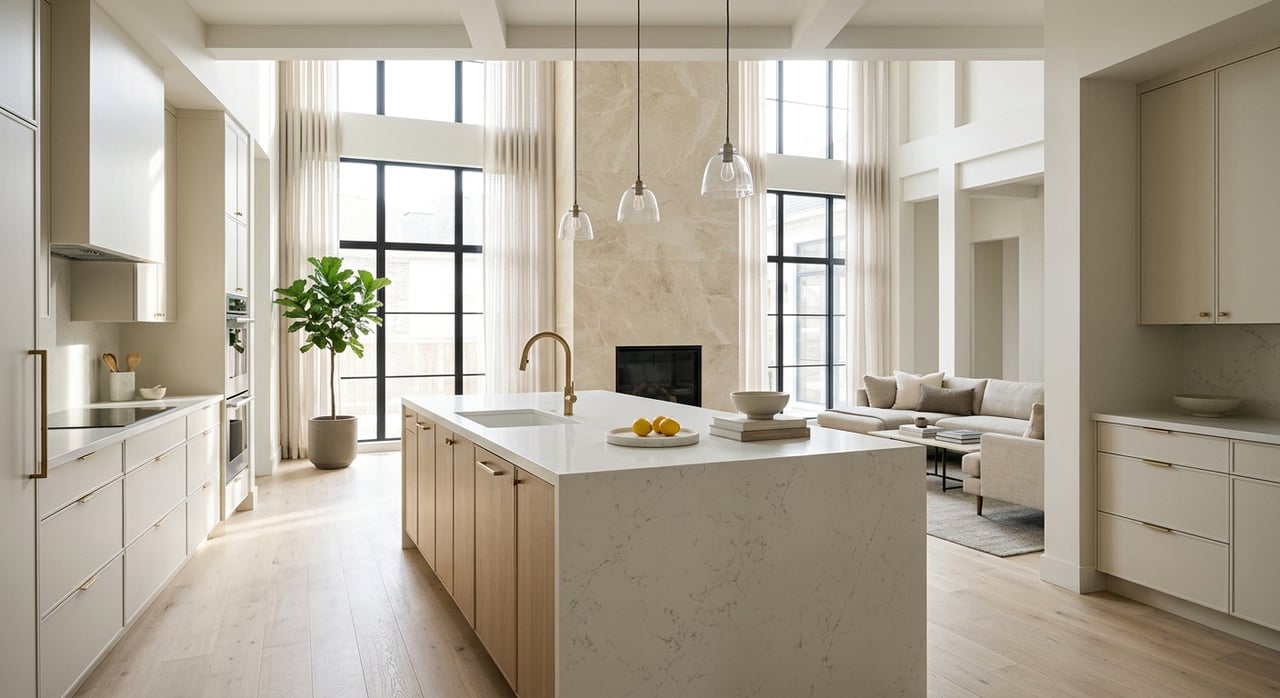
Once condition issues are under control, turn your attention to presentation. Staging helps buyers picture how a home lives, and that matters in a town where many homes have generous square footage and multiple bedrooms. You want rooms to feel functional, balanced, and easy to understand.
According to the 2025 staging report referenced in your research, 83% of buyers’ agents said staging made it easier for buyers to visualize a future home. The same report found that 29% of sellers’ agents said staging led to a 1% to 10% increase in the dollar value offered. The most commonly staged rooms were the living room, primary bedroom, dining room, and kitchen.
In Wellesley, staging is often less about filling space and more about giving scale to it. Oversized furniture, crowded shelves, and over-personalized rooms can make even a large home feel less polished. Aim for edited, purposeful spaces that show how each room can be used without making the home feel busy.
Focus on the rooms buyers notice most
Not every space needs the same level of effort. If you want to prioritize your time and budget, start with the rooms buyers tend to remember.
Focus first on:
- Living room
- Kitchen
- Primary bedroom
- Dining room
- Main entry or foyer
- Powder room or main guest bath
These areas often carry the strongest visual weight in photos and showings. Clean surfaces, neutral bedding, good lighting, and a clear furniture layout can go a long way. In a larger home, removing extra furniture can actually help buyers appreciate room size and flow.
Use Wellesley disposal options early
Decluttering works best when you start early, not the week before photos. Wellesley does not provide trash or recycling pickup, so it helps to plan ahead for disposal and donation logistics. Residents use the Recycling & Disposal Facility, which also offers a reusable area and periodic paint-collection, shredding, and hazardous-waste events.
That local setup can make a big difference during pre-listing prep. If you are clearing out storage areas, old paint cans, extra paperwork, or bulky household overflow, build those trips into your timeline. A cleaner basement, garage, attic, and closet system can help the whole home feel better maintained.
Strengthen curb appeal first
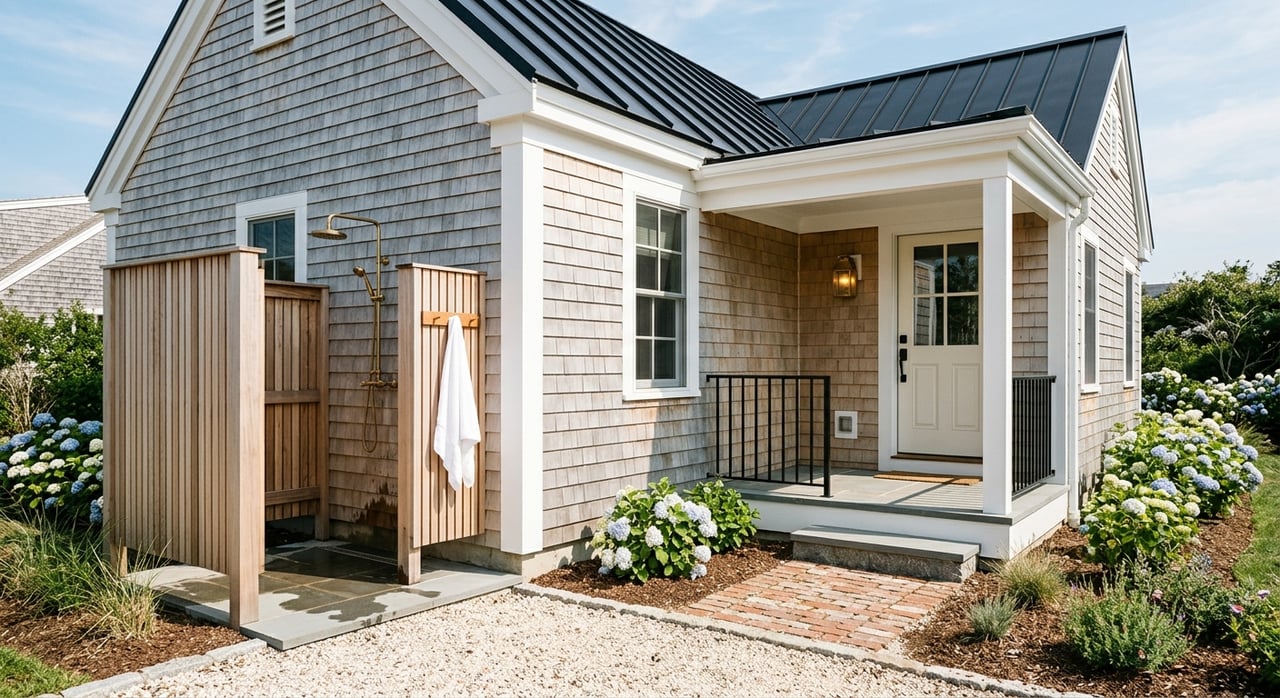
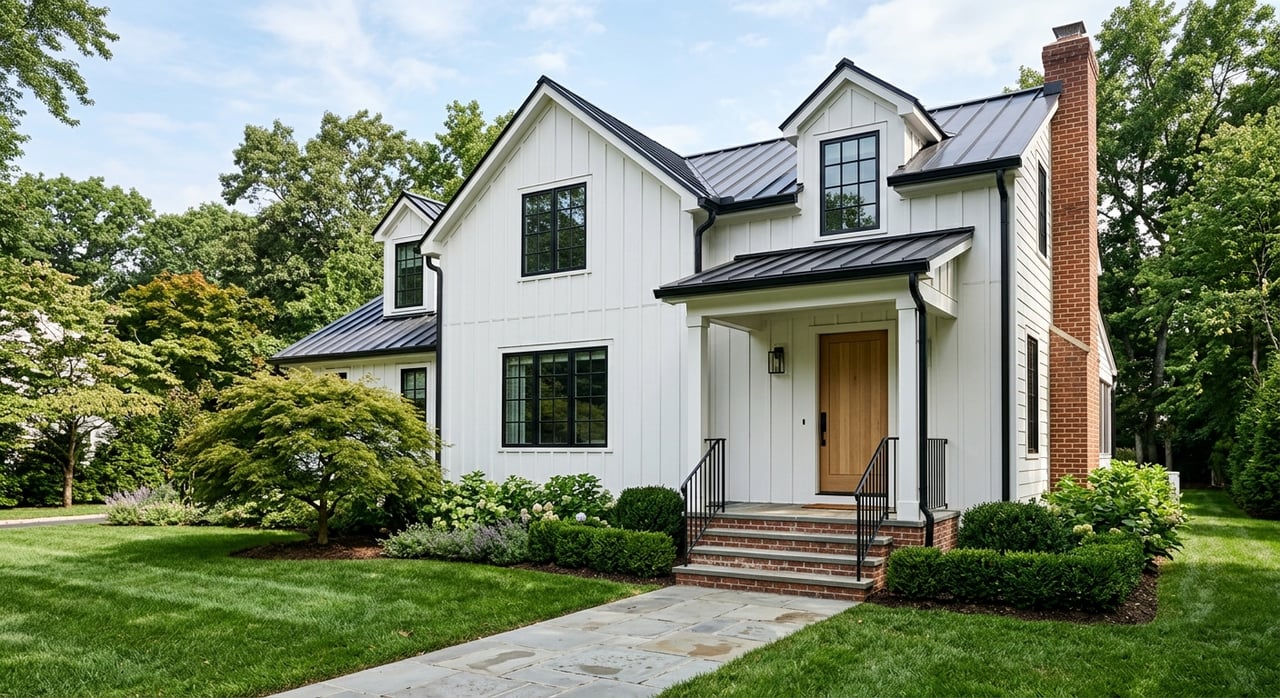
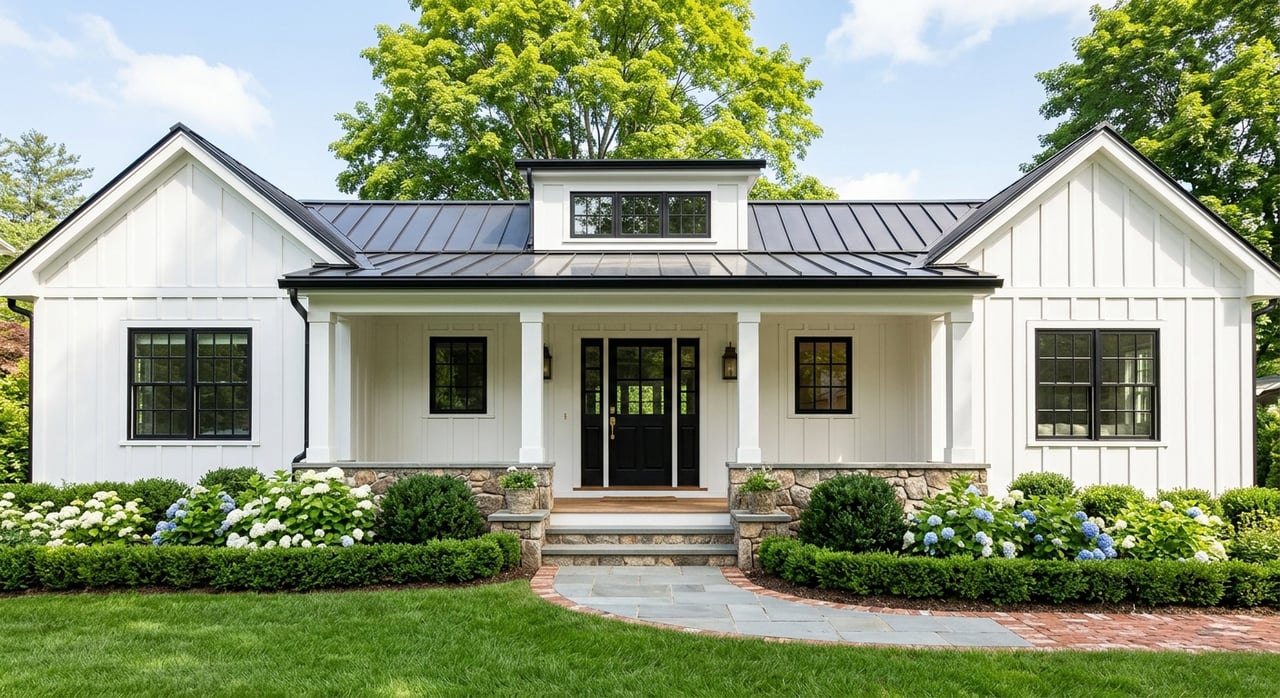
First impressions matter, especially online. Buyers often form an opinion before they step through the front door, and exterior presentation can influence whether they approach the rest of the home with excitement or caution.
Your research notes that 97% of REALTORS believe curb appeal is important in attracting a buyer, and 92% have recommended curb appeal improvements before listing. It also cites exterior improvements as some of the highest-return remodeling projects. That supports a practical strategy for Wellesley sellers: improve the outside appearance before spending heavily on big interior redesigns.
Here are smart curb appeal moves to consider:
- Refresh the front door or entry hardware
- Repair or repaint visible trim where needed
- Clean walkways, steps, and hardscaping
- Tidy foundation plantings and lawn edges
- Replace worn exterior light fixtures if appropriate
- Make sure the garage door looks clean and functions properly
You do not need a dramatic transformation. You need an exterior that signals care, order, and pride of ownership.
Gather sale-time compliance items
Wellesley sellers should also prepare for Massachusetts sale requirements well before they accept an offer. This step is easy to overlook, but it can prevent last-minute scrambling.
If your home was built before 1978, Massachusetts requires Property Transfer Lead Paint Notification before a purchase and sale agreement is signed. Sellers also need a certificate of compliance from the local fire department showing that smoke and carbon-monoxide alarms meet sale or transfer standards. Because many Wellesley homes are older, these items are especially important to plan for early.
Massachusetts also has a mandatory home-inspection disclosure framework that protects a buyer’s right to inspect. In practical terms, that means you should prepare for inspections instead of assuming they will be waived. When your home is repaired, documented, and well presented, you are usually in a much stronger position when inspection issues come up.
Price after the prep work is done
Pricing should come after you understand the home’s true market position. If you price first and prep second, you may miss the mark because condition and presentation directly affect how buyers compare your home to recent sales.
Your research shows a premium Wellesley market, with the town reporting a 2024 median single-family sale price of $2,103,500. At the same time, current market reports show mixed conditions, including homes selling slightly below asking on average in one data set and multiple-offer competitiveness in another. That is exactly why pricing from recent Wellesley comparables matters so much.
A disciplined pricing strategy should reflect:
- Your home’s current condition
- Recent nearby comparable sales
- Size, lot, and layout
- Updates and maintenance history
- Buyer expectations for your segment of the market
The goal is not simply to list high and hope. The goal is to launch with a price that matches the value buyers will see when they walk through the door.
A practical sequence for Wellesley sellers
If you want a clear roadmap, keep it simple. The strongest pre-listing plans usually follow a logical order that protects both time and budget.
A smart sequence looks like this:
- Audit the home early
- Fix maintenance and visible condition issues
- Confirm permits for any planned work
- Declutter and stage key rooms
- Improve curb appeal
- Gather compliance documents
- Price from recent Wellesley comparables
This approach fits both the local housing profile and Massachusetts sale-time rules. It also helps you make decisions with less stress and more clarity.
If you are preparing to sell in Wellesley, the best results usually come from thoughtful planning, not rushed spending. When you focus first on condition, then presentation, then pricing, you give your home the best chance to stand out in a market where buyers notice details. For tailored guidance on timing, preparation, and market positioning, connect with Kathleen Galiney.
FAQs
What is the best first step to prepare a Wellesley home for sale?
- The best first step is a full home audit that covers visible condition and major systems such as heating, plumbing, electrical, roof, foundation, and exterior elements.
Do Wellesley sellers need permits for pre-listing repairs?
- Often, yes. The Wellesley Building Department says most construction projects require permits, including building, electrical, plumbing, gas, and sheet-metal work.
Which rooms should sellers stage in a Wellesley home?
- Start with the living room, kitchen, primary bedroom, and dining room, since these rooms tend to carry the most weight in photos and buyer impressions.
What sale requirements apply to older homes in Wellesley?
- Homes built before 1978 require Property Transfer Lead Paint Notification, and sellers also need a local fire department certificate showing smoke and carbon-monoxide alarms meet transfer standards.
How should a Wellesley seller decide on updates before listing?
- In most cases, focus first on maintenance, repairs, and visible exterior improvements rather than major redesigns, unless a larger defect clearly needs attention.
How should a Wellesley home be priced for sale?
- Price should be based on recent Wellesley comparable sales, adjusted for your home’s condition, size, updates, and how it compares to other active listings in the same segment.