Thinking about trading Boston’s density for a town with village centers, commuter rail access, and more single-family homes? Moving from Boston to Wellesley can be a smart lifestyle shift, but it is not just a shorter skyline and quieter streets. If you are weighing the move, this guide will help you understand how daily life, housing, commuting, and homeownership really change so you can plan with confidence. Let’s dive in.
Boston and Wellesley feel different
Boston and Wellesley operate on very different scales. Boston’s 2024 population was 673,458 across 48.34 square miles, while Wellesley’s population was 31,242 across 10.02 square miles. That means Boston is much denser, with 13,976.7 people per square mile compared with 2,948.8 in Wellesley.
That difference shapes almost everything you experience day to day. In Boston, you are often surrounded by multi-family buildings, neighborhood business districts, and broad transit options. In Wellesley, life is more centered around village areas, local routes, and residential neighborhoods with a much higher share of owner-occupied homes.
Housing costs and ownership change fast
If you are moving from Boston to Wellesley, the housing picture shifts in a big way. Boston’s owner-occupied housing rate was 35.7%, while Wellesley’s was 84.4%. That alone tells you Wellesley is far more ownership-focused.
Home values and monthly costs also move up. Boston’s median owner-occupied home value was $731,700, compared with $1,582,700 in Wellesley. Median gross rent was $2,093 in Boston and $2,886 in Wellesley, while median monthly owner costs with a mortgage were $2,907 in Boston versus more than $4,000 in Wellesley.
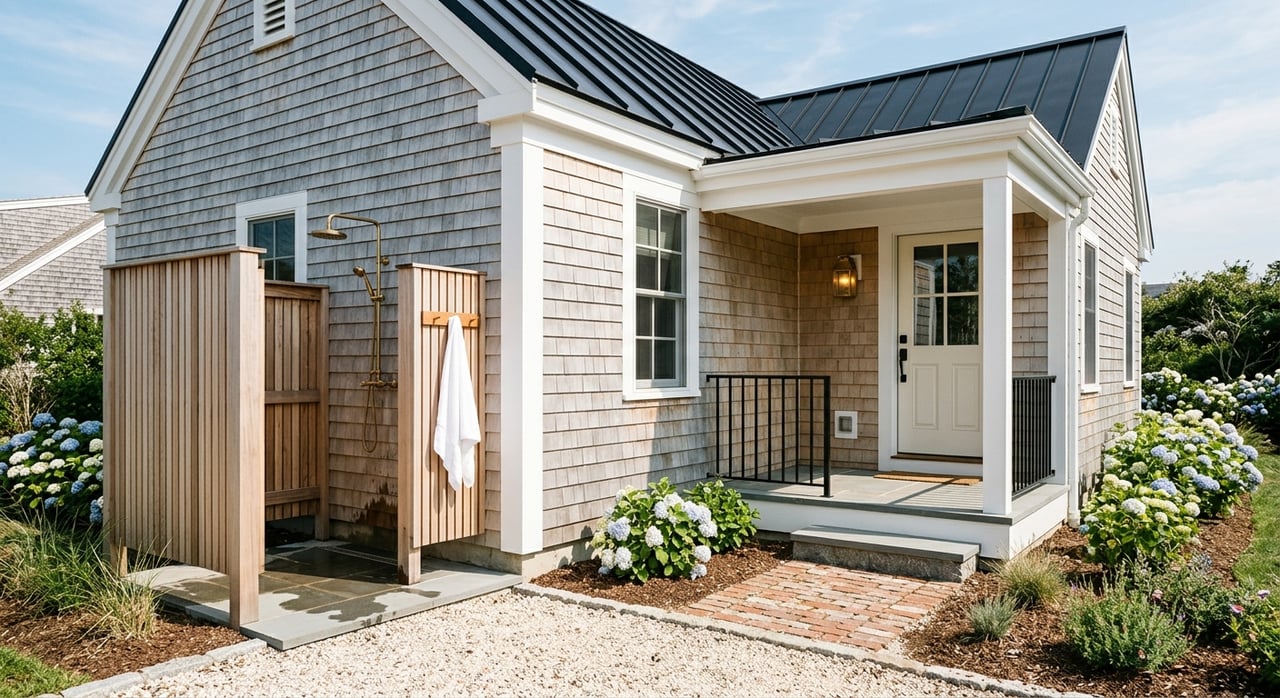
For many buyers, the move is less about finding a quieter version of Boston and more about stepping into a very different housing pattern. You are often moving from a condo-heavy market into one where single-family ownership plays a much larger role. That changes both your budget and your daily responsibilities.
Housing stock is a major adjustment
Boston is heavily multi-family
Boston’s official housing plan shows a housing stock dominated by multi-family properties. About 39% of residential properties were 2-to-4-unit buildings, about 43% were 5-plus-unit buildings, and only about 18% were 1-unit structures in the plan’s ACS snapshot.
If you live in a condo or apartment now, that probably feels familiar. Shared entryways, common maintenance, and building-managed systems are a normal part of city living. Many errands and routines are also built around that compact environment.
Wellesley is mostly single-family
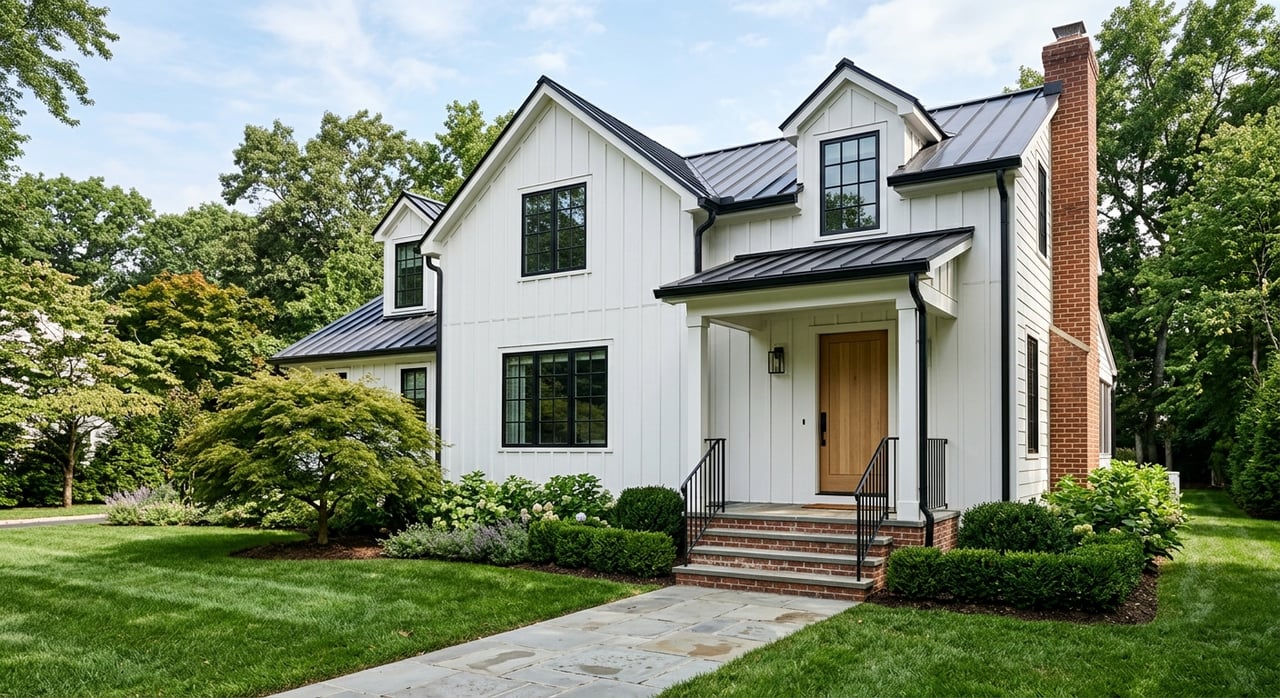
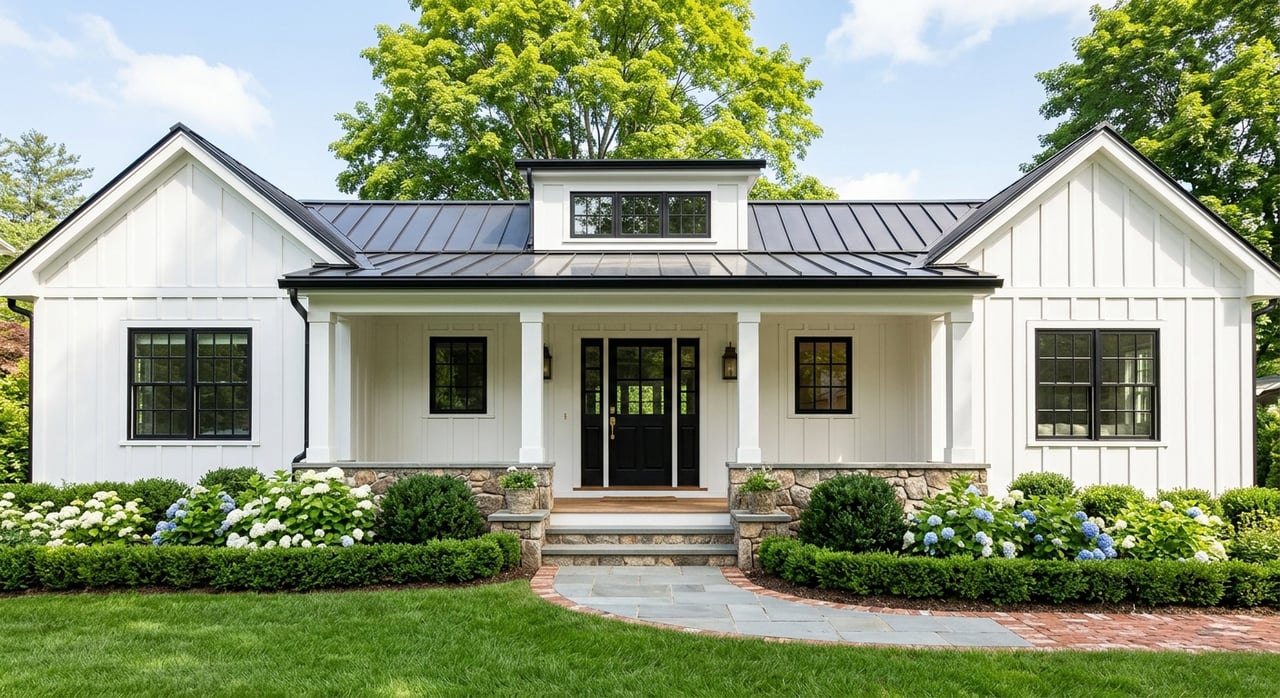
Wellesley’s Unified Plan says the town’s housing is predominantly single-family, owner-occupied, and expensive. It also says 69% of the town is zoned residential, and more than 92% of that residential area is occupied by single-family houses.
The town’s draft 2025 Strategic Housing Plan adds useful context. Wellesley has relied more on redevelopment than large-scale new construction, and most of the housing stock was built before 1960. The median year built for single-family homes was 1950.
What that means for your move
This transition often feels bigger than buyers expect. You may gain more indoor space, outdoor space, and privacy, but you also take on more direct responsibility for the property. Parking, snow removal, landscaping, and routine maintenance may become part of your regular planning in a way they were not in Boston.
That does not mean every move to Wellesley requires a total lifestyle reset. Some parts of town still support a more walkable routine, and condos do exist. Still, the broader pattern is clear: Wellesley is structured around ownership and standalone homes much more than Boston is.
Commuting works, but it feels different
One of the biggest questions people ask is whether commuting back to Boston will still feel manageable. The short answer is yes, but the rhythm usually changes. Boston supports more spontaneous, car-light living, while Wellesley is better described as transit-connected and often car-assisted.
Boston’s transit network is broad and citywide, with MBTA rail, bus, ferry, and paratransit service, along with bus-priority corridors and bike-share access. Wellesley’s setup is more focused and schedule-based. The town’s transportation guide points residents to the MBTA Framingham/Worcester commuter rail through Wellesley Square, Wellesley Hills, and Wellesley Farms.
Wellesley also has local first-and-last-mile options. The town highlights Catch Connect and the MWRTA Route 1 bus, which runs between Natick Mall and Woodland Station by way of Wellesley Square, Babson College, MassBay, and Lower Falls. That gives you options, but it is a different kind of transit lifestyle than Boston’s.
Commute times may not be the whole story
At first glance, commute data may surprise you. Boston’s mean travel time to work was 30.3 minutes in 2020 through 2024, while Wellesley’s was 27.2 minutes. That does not mean the experience is the same, but it does show that a move to Wellesley does not automatically mean dramatically longer travel times.
The real difference is often in the door-to-door routine. In Boston, you may be able to walk to transit, grab what you need on the way home, and handle errands without much planning. In Wellesley, you may use commuter rail for Boston trips while relying on a car, shuttle, or a more structured errand plan for everything else.
Village centers shape daily life
Wellesley is built around villages
Boston is known for its neighborhoods, and Downtown has long served as a central hub. Wellesley works differently. Instead of one main downtown, the town functions through several village centers with different personalities and practical uses.
Wellesley Square is the clearest example of a compact, pedestrian-oriented center. The town’s design guidelines describe shops and small restaurants clustered on Central, Church, and Washington Streets, with a walk from one end to the other taking no longer than 20 minutes.
Each center has a different feel
Wellesley Hills has a more vehicular orientation, according to the same design guidance. Lower Falls is described as a historic mill and industrial area along the Charles River. If you are comparing neighborhoods for your move, this matters because your routine may feel very different depending on how close you are to a village center and commuter rail stop.
For buyers coming from Boston, Wellesley Square often feels most familiar in terms of walkability and everyday convenience. Other areas may offer a more residential pattern that depends more heavily on driving. Matching your location to your habits is one of the most important parts of a successful move.
Green space becomes more routine
Boston offers open space on a larger urban scale. The city maintains more than 2,200 acres of protected open space across 293 properties, and the Emerald Necklace links nine parks across roughly seven miles from Boston Common to Franklin Park.
Wellesley’s green space is more woven into daily routines. The town has 48 miles of trails, with 30 marked as an interconnecting network. Wellesley also highlights the Brook Path as an ADA-compliant stone-dust path, plus a wider trail system that connects open spaces and conservation land.
That shift matters more than it may seem. In Boston, parks can feel like destinations. In Wellesley, trails and open spaces are often part of everyday walks, errands, and local routines.
How to prepare for the move
A move from Boston to Wellesley usually goes more smoothly when you plan for lifestyle changes, not just square footage. Before you buy, think through how you actually live from Monday through Friday, not just what looks appealing on paper.
Here are a few smart questions to ask yourself:
- Do you want to be near Wellesley Square, Wellesley Hills, or Wellesley Farms for commuter rail access?
- How often will you need to travel into Boston for work or appointments?
- Are you ready for more direct responsibility for home upkeep?
- How important is walkability for errands and dining?
- Would a condo, townhouse, or single-family home fit your next chapter best?
This is also where local guidance becomes valuable. A relocation move is not just about price point. It is about matching your budget, commute needs, and day-to-day habits with the right part of town and the right type of property.
What changes most after the move
For many Boston buyers, the biggest adjustment is structure. Daily life in Wellesley can offer more space and privacy, but it usually asks for more planning. Your commute may rely on rail schedules, your errands may be more spread out, and your home may need more hands-on attention.
At the same time, many people find that the tradeoff works well for their next stage. Wellesley offers village centers, strong rail access to Boston, and a housing pattern built around ownership and longer-term staying power. If that lines up with your goals, the move can feel less like leaving city life behind and more like choosing a different way to live in Greater Boston.
If you are weighing a move from Boston to Wellesley, personalized guidance can help you compare neighborhoods, property types, and commute realities with a clear financial lens. To start your search or talk through your relocation goals, connect with Kathleen Galiney.
FAQs
What is the biggest lifestyle change when moving from Boston to Wellesley?
- The biggest change is usually moving from dense, transit-rich city living into a smaller town with village centers, more owner-occupied housing, and a more car-assisted daily routine.
How does commuting from Wellesley to Boston work?
- Wellesley residents can use the MBTA Framingham/Worcester commuter rail from Wellesley Square, Wellesley Hills, or Wellesley Farms, with local options like Catch Connect and the MWRTA Route 1 bus helping with first-and-last-mile trips.
How different is Wellesley housing from Boston housing?
- Boston’s housing stock is heavily multi-family, while Wellesley is predominantly single-family, owner-occupied, and shaped more by redevelopment than large-scale new construction.
Which part of Wellesley feels most like a downtown?
- Wellesley Square is the town’s most compact and pedestrian-oriented village center, with shops and restaurants clustered in a walkable area.
Is Wellesley car-free or car-dependent for daily life?
- Wellesley is better described as transit-connected but car-assisted, since commuter rail and local transit support some trips while many errands still involve a car or more planning.