If you have ever wondered why Chatham feels different from other Cape towns, the answer starts with the water. Surrounded on three sides by it, Chatham offers a coastal lifestyle shaped by beaches, harbors, scenic roads, and a real working waterfront. If you are considering a home here, understanding what gives Chatham its appeal can help you choose the right setting, the right style, and the right long-term fit. Let’s dive in.
Why Chatham’s coastal setting stands out
Chatham sits at the elbow of Cape Cod and is described by the Chatham Chamber as the easternmost point in Massachusetts. That location is more than a map detail. It influences how the town looks, how people move through it, and how many homes connect to water views, beach access, or harbor activity in everyday life.
You can feel that coastal identity across town. According to the Chatham Chamber, Chatham is defined by its beaches, coves, downtown village character, and scenic waterfront setting. For many buyers, that combination creates a rare mix of beauty and daily convenience.
Beaches shape the lifestyle
One of the biggest reasons buyers are drawn to Chatham is how central the beaches are to everyday living. The town highlights six major saltwater beaches along Nantucket Sound and the Atlantic, each with a different feel. That variety gives buyers more than one version of the coastal experience.
Some homes are valued for quick access to iconic shoreline views. Others appeal because they are closer to calmer water, low-key beach roads, or easier places to spend long summer afternoons. In Chatham, the beach you picture using most often can help point you toward the right part of town.
Lighthouse Beach and ocean views
Lighthouse Beach is one of Chatham’s signature destinations, located about half a mile from downtown below Chatham Light. It is known for wide ocean views, walking, and frequent seal and boat sightings. For buyers, homes near this area often stand out for scenery, proximity to downtown, and a classic Chatham feel.
That said, lifestyle fit matters. The town notes seasonal parking restrictions and beach access rules, and the Chamber also notes strong currents with a no-swim area at the south tip. In other words, some nearby homes are especially appealing for views and access rather than simple everyday swimming.
Nantucket Sound beaches and calmer water
On the Nantucket Sound side, Harding’s Beach, Ridgevale, and Cockle Cove are often associated with calmer conditions. The Chamber describes Harding’s Beach as having warmer, calmer water, while Ridgevale and Cockle Cove add creek walks, rentals, and a relaxed beach-day feel.
For many buyers, this side of Chatham offers a different rhythm. You may find quieter streets, easier beach routines, and a more casual seasonal atmosphere that feels distinct from the downtown and outer-harbor areas.
Smaller beaches and quieter routines
Chatham also includes smaller beach settings like Oyster Pond, Forest Beach, Pleasant Street, and Jackknife Harbor. These areas help explain why so many buyers are attracted to side streets and lesser-traveled beach roads. The appeal is often less about being in the center of activity and more about having a quieter coastal backdrop.
If you want a home that feels tucked away but still rooted in Chatham’s shoreline identity, these settings are worth a closer look. They show that coastal living here does not come in just one format.
Boating is part of daily life
In Chatham, boating is not just a weekend hobby. It is built into the town’s infrastructure and identity. The town’s Harbormaster Division oversees navigation, mooring permits, aids to navigation, pollution response, and the Mitchell River drawbridge, reflecting how active and important the waterways are.
The town’s mooring area maps show public access points across Chatham Harbor, Stage Harbor, Pleasant Bay, Oyster River, and Ryders Cove. For buyers who want to keep a boat nearby or simply enjoy the atmosphere of a harbor town, that working-waterfront network can be a major draw.
The fish pier adds authentic waterfront character
Chatham’s municipal fish pier at Aunt Lydia’s Cove gives the town something many coastal markets cannot replicate. It functions as both a commercial fishing facility and a popular attraction, especially during the busy season. That means the waterfront here feels active and real, not purely decorative.
For some buyers, homes near harbor and marina areas are appealing because they connect you to this daily rhythm. You are not just near the water. You are near the systems, traditions, and routines that continue to shape the town.
Village charm sets Chatham apart
A beautiful shoreline may get your attention, but Chatham’s village character is often what makes buyers stay focused on the town. The Chamber describes it as a spirited New England town with small businesses and maritime heritage. That helps explain why Chatham can feel like both a destination and a true community.
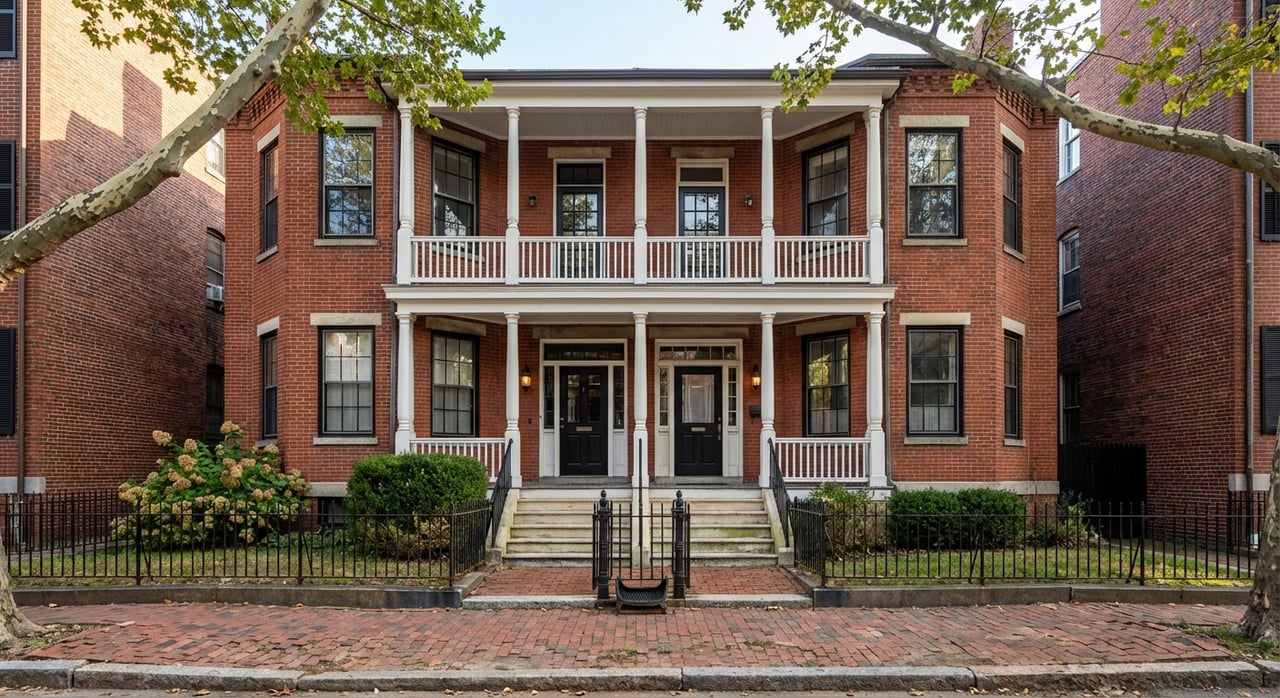
The Old Village Association notes that the Old Village contains the town’s greatest concentration of residential buildings from the 18th through 20th centuries. For buyers, this means Chatham offers more than beach proximity. It also offers a recognizable historic streetscape and a strong sense of place.
In-town appeal and walkable convenience
Homes in or near the Old Village and downtown tend to appeal to buyers who want to be close to Main Street, local businesses, and historic character. These settings often combine coastal access with the convenience of an established town center. That can be especially attractive if you want your time in Chatham to include more than trips to the beach.
The appeal here is practical as well as aesthetic. Being able to move between home, downtown, and the waterfront without feeling disconnected adds value to the day-to-day experience.
Coastal charm comes in different settings
One of the most important things to understand about Chatham is that its coastal feel changes from area to area. According to the state’s Chatham reconnaissance report, South Chatham village centers historically included civic, commercial, and residential buildings, while roads like Cockle Cove Road, Forest Beach Road, and Pleasant Street helped create a beach-community pattern of cottages and one- to two-story dwellings.
That history still matters when you are house hunting today. Some parts of town feel closely tied to the village center. Others feel more like seasonal beach enclaves. Neither is inherently better. It depends on the lifestyle you want.
Common settings buyers consider
Here are a few of the most recognizable Chatham home settings:
- In-town and Old Village homes for buyers who value historic surroundings and closeness to Main Street
- Harbor- or marina-adjacent homes for buyers drawn to boating, moorings, and a working-waterfront atmosphere
- Beach-road and side-street homes for buyers who prefer a quieter, more relaxed setting near Nantucket Sound or smaller shoreline access points
This is where local guidance matters. The right choice often comes down to how you want to spend your time in Chatham, not just what looks best in photos.
Home styles reflect New England coastal tradition
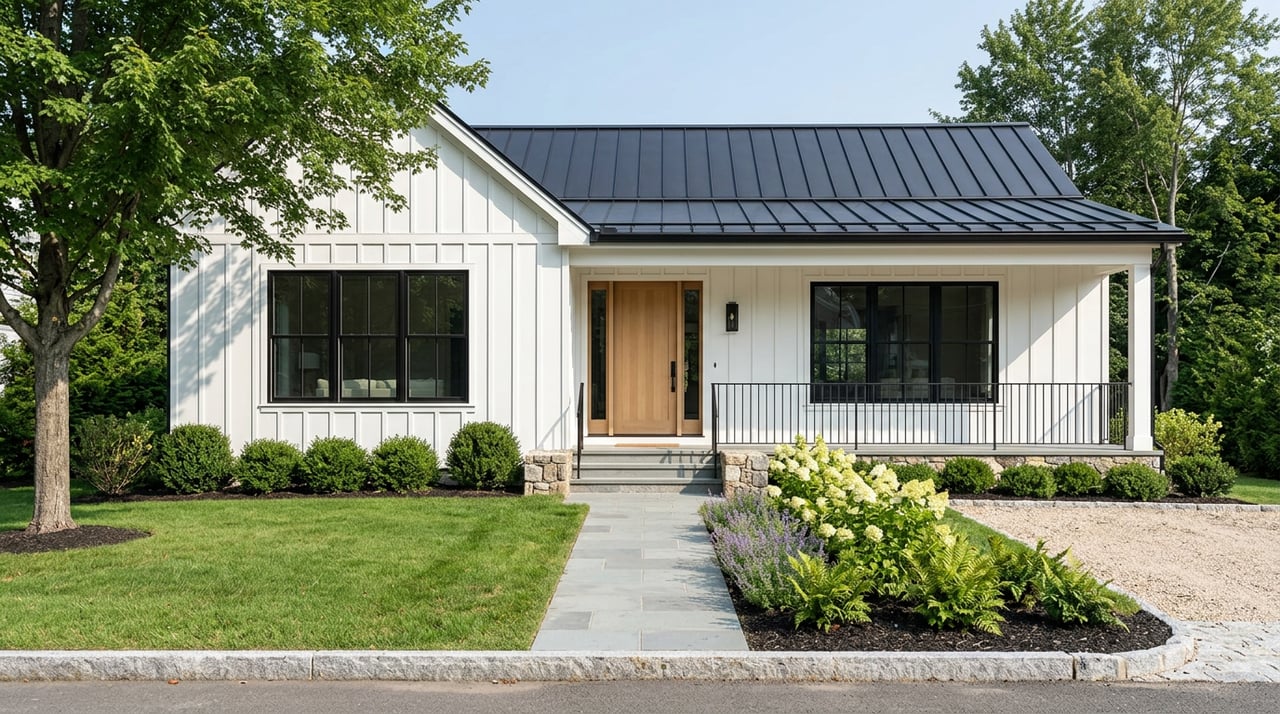
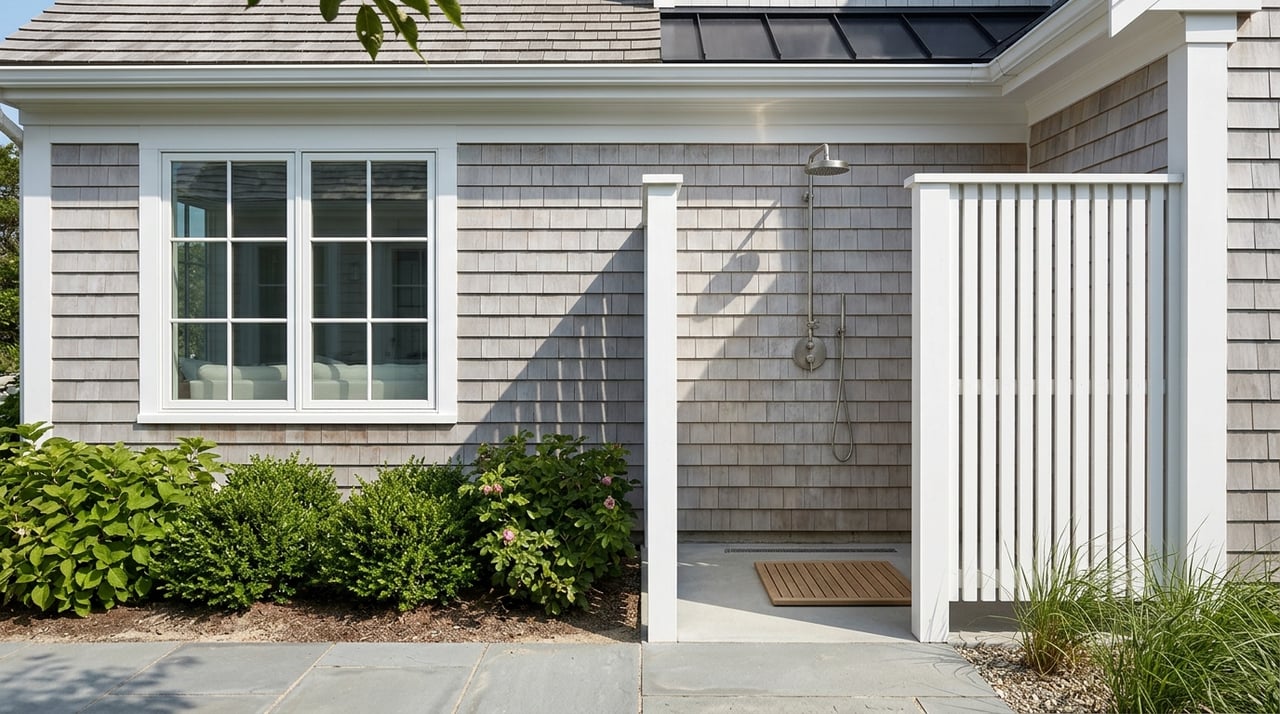
Chatham’s housing character is closely tied to traditional Cape and New England forms. The Old Village Association highlights common features such as wood-frame construction, wood shingle or clapboard siding, modest scale, and simple gable-roofed forms. These details help give many homes a timeless look that fits the landscape.
The same source also notes that the Cape Cod house is a form rather than one single style. You may see Colonial, Georgian, Federal, Greek Revival, and Colonial Revival variations across town. For buyers, that means Chatham offers variety without losing architectural consistency.
Why older areas feel cohesive
In Chatham’s historic areas, design review also plays a role in preserving the town’s visual identity. The Historic Business District Commission guidelines are intended to protect distinctive historic buildings and places, with review over certain alterations, additions, demolition, signage, and site improvements.
That helps explain why older parts of town often feel cohesive. For buyers who appreciate continuity and context, that preserved character can be a meaningful part of Chatham’s long-term appeal.
Seasonality influences the experience
Chatham is also a strongly seasonal market. Massachusetts materials identify Chatham as having 54.5% seasonal, recreational, or occasional-use housing units and note its designation as a Seasonal Community. This helps explain why the town can feel especially lively in summer and quieter in the off-season.
If you are considering a second home or planning to spend only part of the year here, that pattern may be part of the appeal. If you are looking for year-round use, it is still important to think about how your preferred area feels outside peak season.
Traditions strengthen the sense of place
Seasonality in Chatham is not only about crowds and beach weather. It also shows up in annual traditions that reinforce the town’s identity. The town’s Independence Day Parade Committee describes the parade as a celebration of Chatham’s history, heritage, and character for year-round residents, summer residents, and visitors.
The town also highlights Christmas by the Sea weekend, with events like a stroll, light parade, and tree lighting. For many buyers, traditions like these make Chatham feel personal and established rather than purely seasonal.
What buyers should keep in mind
The appeal of Chatham’s coastal homes is easy to understand, but the best purchase usually comes from matching the property to the way you plan to live. Beach access rules, parking requirements, harbor activity, and seasonal patterns can all influence daily use and long-term satisfaction.
As you narrow your search, it helps to think beyond the headline features. A home near the water may offer views, boating convenience, beach access, village walkability, or privacy on a side street. In Chatham, those are very different experiences, even when they are only a short drive apart.
If you are considering a purchase or preparing to sell in Chatham, working with an advisor who understands both neighborhood nuance and the financial side of the decision can make the process much clearer. Kathleen Galiney offers personalized guidance to help you evaluate Chatham’s distinct coastal settings and make a confident next move.
FAQs
What makes Chatham, MA coastal homes so appealing to buyers?
- Chatham’s appeal comes from its setting on three sides of water, access to beaches and harbors, village character, traditional home styles, and a working waterfront that gives the town an authentic coastal feel.
Which Chatham beaches are most relevant when choosing a home location?
- Buyers often focus on Lighthouse Beach for iconic views and proximity to downtown, while Harding’s Beach, Ridgevale, and Cockle Cove are known for calmer Nantucket Sound settings and a more relaxed beach-day atmosphere.
Are Chatham, MA coastal neighborhoods all similar?
- No. Chatham includes in-town and Old Village areas, harbor- and marina-adjacent settings, and quieter beach-road locations, each offering a different balance of activity, access, and privacy.
What architectural styles are common in Chatham homes?
- Many Chatham homes feature traditional New England coastal elements such as wood-frame construction, shingle or clapboard siding, modest scale, and simple rooflines, with Cape Cod forms appearing in several historic style variations.
How does seasonality affect living in Chatham, Massachusetts?
- Chatham has a high share of seasonal or occasional-use housing, so summer is typically more active and busy, while the off-season can feel quieter depending on the neighborhood and how close you are to beaches, downtown, or the harbor.